Deconstructing the music of a seminal video game soundtrack

Introduction
“Hey! Listen!”
Navi, the fairy
“We make games, not movies”
Or something along those lines is what Shigeru Miyamoto, the creator of Zelda and spirit guide of Nintendo, would say. But make no mistake, in transitioning one of its most popular game series to the 3D for the first time, Nintendo showed an extraordinary mastery of cinematic sensibilities that could stand shoulder to shoulder with the great epics of Hollywood or the inventive animation of its fellow countrymen.
The Legend of Zelda: Ocarina of Time Is an unapologetic through and through atmospheric cinematic experience. It reaches for the sublime and the dark with uncynical fashion, managing to cram deep lore and an accomplished storyline without sacrificing gameplay or its identity as a video game, creating in the process a perfectly calibrated exponential curve gradually amping the stakes from safe whimsical magical forest to completely annihilated and engulfed in darkness castle. Explore rich lands, meet different races each with their own culture, conquer dungeons, play an actual musical instrument and live through an epic tale spanning eras so that you can actually feel how this world evolves, this Zelda set a standard for the series and the entire adventure genre. The legend has become high fantasy; It truly has become the Hyrule Fantasy promised in the first entry, a land with its own mythos, symbols and peoples.
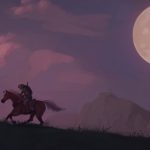
The visual and musical motifs, classic staples of the storytelling mediums, start to make an entrance from the very first frame of the game. That particular blue color, none other than the same color of the titular Ocarina, starts to crop up everywhere, from the color of the Nintendo 64 logo to the color of the night sky when we get our first glimpse at Hyrule in 3D.
This scope that longtime series composer Koji Kondo was tasked to capture with his score would have to aim for those same cinematic heights that the developers intended. He did succeed and, more than that, established an unique canon for the interactive video game medium. Ocarina of Time was, and still is, a different kind of musical beast, one that blurs the line between the real world and Hyrule by giving the player the control to a fully functional musical instrument, an instrument which we are supposed to use to learn the melodies that the composer employed as the basis for the score; here, the magic spells do not come from selecting them in a menu, here they come from actual musical combinations you learn and play with your fingers. This score is what we will try to break down.
The first deed of the day is perhaps not as essential as far as music is concerned, but it still has to be done to fully gain appreciation and understanding for the score; that being putting the music in context. So here it goes, a little cultural analysis of the Zelda influences.
It starts with the game itself, of course. When you are tasked with designing the aural soundscape of any kind of media the first question that will be discussed is “What is it about? What kinds of environments, characters and emotions do we expect to encounter? Since the answer to these questions is going to dictate the framework for the score and nothing exists in a vacuum after all, there will be historical and cultural precedents for it. So, what is The Legend of Zelda about?
Let’s start broad about what can be said. First and foremost it is a Fantasy, a medieval European-infused fantasy to be more precise, one in which Eastern influences are poured through the cracks. This is the central totem around which Nintendo can then add cultural traditions from around the world and their histories to create a believable high fantasy setting–because, believe it or not, realism is one of the most important parts of good fantasy—Western sensibilities being, obviously, the most prominent but, as we will see, also heavily tinted with the Japanese tropes from home. Medieval fantasy has a rich pedigree and history on which any work can build upon and it comes out as even more exotic when seen through Eastern eyes. The series ticks all the basic boxes of the genre and expands upon them on each installment: heroic knight with sword and shield? Check, fight monsters and other supernatural creatures? Check, princess in distress? Check, magic? Check. All of it is sprinkled with the particular quirkiness and surrealism characteristic of Japanese media.
The Lord of The Rings is the quintessential modern fantasy reference and a clear influence for the developers from the beginning–even the names have a similar ring to it( a bit of pun intended)–But the genre, predictably, has older roots in the medieval chivalric romances, Arthurian legends and even more ancient world mythology; plenty of music and literary references to draw upon.
European Medievalism in Video Games (Wait, Why is This Even a Thing in Japan?)
Before tackling the electronic art form we call video games, we need to go back to what is perhaps the trope codifier for the influential genre known as RPG (role playing game). The games we are used to play with a control and a TV are an extension of a much older legacy: the tabletop RPG; that means pencil, paper, dices and imagination on the part of the player. And none has a bigger legacy or influence than Dungeons & Dragons; in fact, this is probably the only game of its kind you have ever heard of. The game pretty much introduced medieval fantasy and proper characters into the ancient tradition of miniature wargames (chess being the quintessential board game) where you would normally just control generic armies in popular or at least realistic conflicts
Dungeons & Dragons, shortened to D&D, was first published in 1974 by TSR (Tactical Studies Rules). As said, the game was derived from miniature wargames but changed its focus from military units to a party of characters who embark on imaginary quests. Again, The Lord of the Rings influence looms large, which itself is based around all kinds of European folklore and Catholic ideology; one of Tolkien’s achievements was taking all kinds of disconnected creatures from fairy tales seriously and imagine that they had proper cultures and mythologies; they felt like real inhabitants of a real world and not just characters who lived once upon a time in a far far away land that only materialized to teach you a lesson. With the success of the D&D tabletop game it was just a matter of time before the nascent video game industry adopted most of the same ideas to create the electronic RPG.
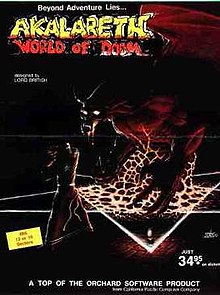
The earliest milestone for the fantasy RPG genre would be Akalabeth: World of Doom, an American-developed video game which spawned the Ultima series of games for the personal computer. This Ultima series, along with the Wizardry series, more or less defined most of the classic computer role playing game tropes, going on to influence games more broadly. Though the series were computer-based, some of their general mechanics became likewise imprinted on the console RPG. Still, all these were based on turns just like the tabletop games. It was for the Atari classic ‘Adventure‘ developed in 1980 to become the precursor to the top-down action adventure genre to which Zelda belongs. But wait, how come these English literature and American developed games with medieval-European sensibilities made its way to Japan and went down to influence one of the most important and beloved genres of the Japanese game industry?
D&D was virtually unknown by the general public in Japan during the first half of the 1980s but computer enthusiasts and game developers did notice these electronic fantasy role games. PC staples of the sword and sorcery genre such as Ultima and Wizardry began to be imported in the early 80s and in 1984 we start to see some of the Japanese takes on this style like The Black Onyx (Despite its designer being European, the game was developed with the Japanese market in mind) alongside arcade games like Namco’s Tower of Druaga. All in all, It is almost as if Japan’s pop culture introduction to Western medieval fantasy folklore was through Western games since even anime and manga took notes from the video games produced at home. Medieval fantasy was just a new trend in gaming in which the Japanese developers wanted to participate, just like they had done with science fiction and Wild West shooters before. Obviously wanting hits in the American market also plays a role. As an interesting note The Lord of the Rings series was first published in Japan in 1972
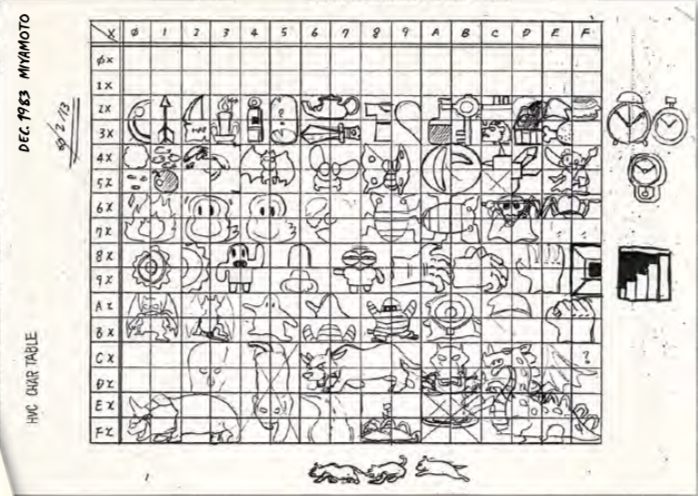
Shigeru Miyamoto at Nintendo was one of those developers who also noticed the trend and as early as December of 1983—even before Super Mario Bros— we can see some development documents for a game based around dungeon exploring; the idea was sort of a proto-Super Mario Maker inspired by the recent success of the Indiana Jones film series where players themselves designed dungeons and then explored each other’s creations. Miyamoto and his team then realized that the most fun part was the actual exploring and, influenced by their Japanese contemporaries like the aforementioned The Black Onyx, Tower of Druaga, alongside Hydlide, Dragon Slayer and the American ‘Adventure’ that leaned more towards real time action than the role-playing, decided to take their game in that direction. It initially consisted of just the dungeons, with the player just selecting them from a menu but the developers became ambitious and thanks to the hardware in which the game was going to debut decided to expand it to an open world where you actually travel to the dungeons; and the Zelda dual core formula of overworld exploring + dungeon puzzle solving was born (cozy towns as the third pillar will arrive on the sequel). It is almost two games in one, you can feel the change of tone, attitude and even your own gameplay mindset whenever you step into a Zelda dungeon. The sole aspect from computer RPGs that Miyamoto sought to capture was the sense that the players were getting stronger the more they played, yet he wanted to accomplish this without resorting to stats or experience points.
In video game design, or pretty much all art for that matter, technology usually plays a larger role than creativity in the end result. And we cannot dismiss the fact that Legend of Zelda was designed around and as a launch title for the upcoming Famicom Disk System which facilitated the rise of more expansive open world adventures and shifted the focus from scoring points to simply completing the game, which allowed the games to have more involved stories enabled by progress-saving and more resources. Consoles can finally be toe to toe with computers instead of just being arcade machines for home. Games like The Legend of Zelda and Metroid were made to take advantage of this hardware and new technologies like battery-powered cartridge saving had to be implemented in order to bring these games overseas where the FDS was not able to make it.
More Japanese medieval European fantasy influences come from 1986, when the magazine Comptiq began publishing “Record of Lodoss War” which presented full D&D session in a narrative form. It became popular enough to receive paperback compilations and even be edited into a novel series, which would become some of Japan’s first domestic High Fantasy literature (most fantasy across the world usually occurs with our own world as the setting). The success of computer RPGs and game books meant that by the mid eighties European style adventures and fantasy worlds had become popular in Japan and that there was a greater desire for more sword and sorcery quests. The genesis of Zelda is right in this boom.
Technology constraints strike again. The history of Eastern RPGs and how the genre diverged from Western RPGs originates from the design sensibilities between creating for the computer vs a home console. In the 1980s, home computers did not take hold in Japanese homes like in the Western countries due to their cost. As a result, there was little market for role-playing games like Wizardry or Ultima–till this day Western gaming is more identified with PC and Eastern gaming with home consoles and handhelds– As we see repeatedly throughout history, function has priority over intention; in a similar way that Japanese animation for all ages grew in response to not having the resources to create spectacular live-action effects, the focus on streamlined storytelling for the Japanese games as opposed to endless customization trying to recreate the tabletop experience most likely comes from the prolific text-based visual novel industry, games that were easier to make from a technical standpoint.
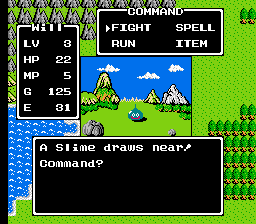
In fact, it was a visual novel (The Portopia Serial Murder Case) that put Enix, the company behind the absurdly popular in Japan Dragon Quest series, on the map. Inspired also by Atari’s Adventure and earlier RPGs such as Ultima and Wizardry, both Shigeru Miyamoto and Yuji Horii created what are arguably the two most influential medieval fantasy series for the Japanese market, Those being The Legend of Zelda and Dragon Quest respectively, released for the Famicom home console in 1986. Unlike the RPGs in North America, these two games went beyond a niche audience and became huge successes in their home countries–The Legend of Zelda would end up becoming worldwide famous–The emphasis on simplified intuitive controls/interface, storytelling with well defined characters and colorful-cartoony visuals assured that they would reach a wider audience than their Western counterparts.
For the record, Eastern countries have their own analogous genre to the Western medieval fantasy. The Chinese’s original Wuxia deals with martial artists who also embark on quests; this, along with the Japanese samurai folklore, also influenced and molded Japanese RPGs.
Specific Influences on The Legend of Zelda
We already mentioned the connection between Zelda and The Lord of the Rings but there is plenty of material to go by in trying to peek inside the atomic structure of the series. It just takes a quick look at Link to see that he is heavily inspired by one of the most popular heroic archetypes in pop culture. Seriously, this guy pretty much codified what we still think of as a selfless hero; Hollywood wouldn’t dare to give the main role to any other type of protagonist. The little guy, the rebel, member of the lower classes, who belongs to the people and fights for the people against the evil institutions and powerful men that are obsessed with riches and control–Jesus you say? Kinda, but we will need someone more action driven to set a higher price of admission and offer more adventurous settings. Green clothes, brown boots, a weird hat, bow and a sword:
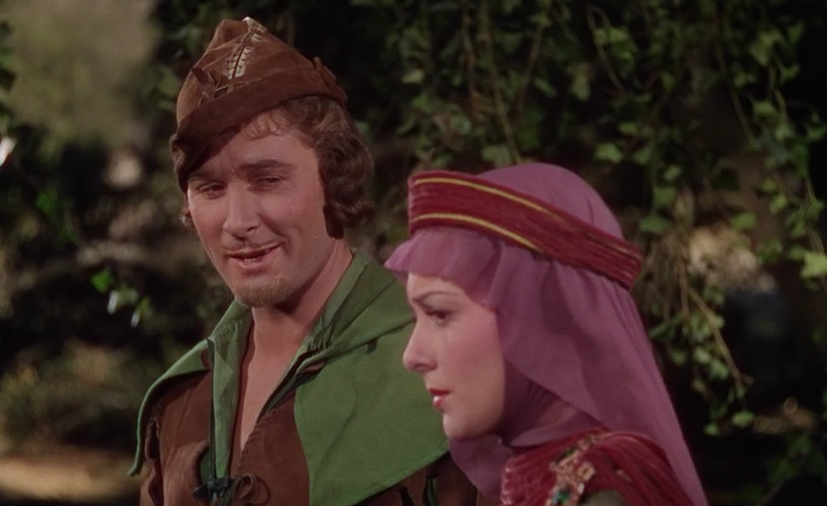
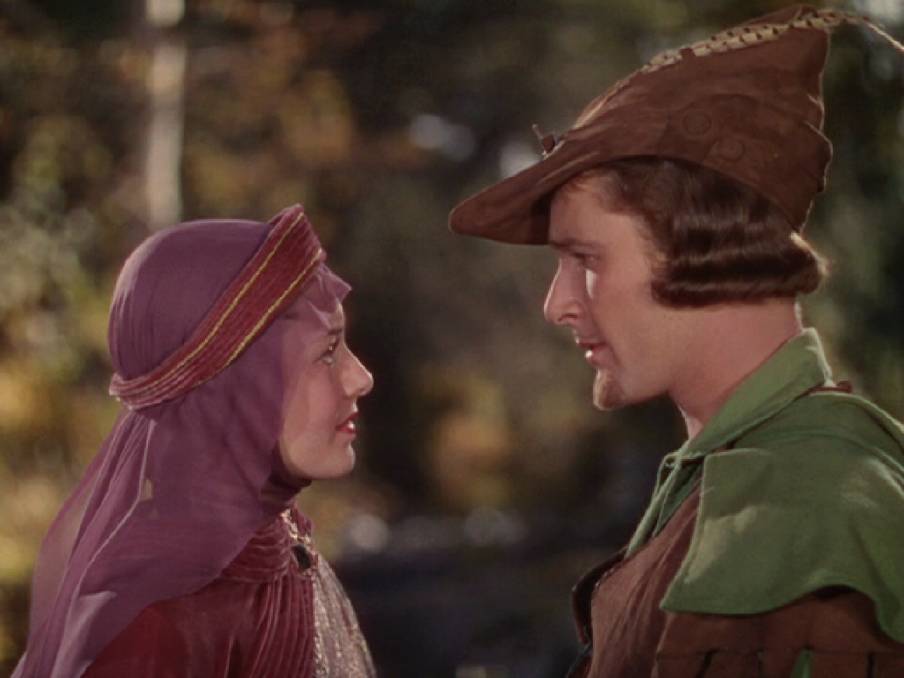
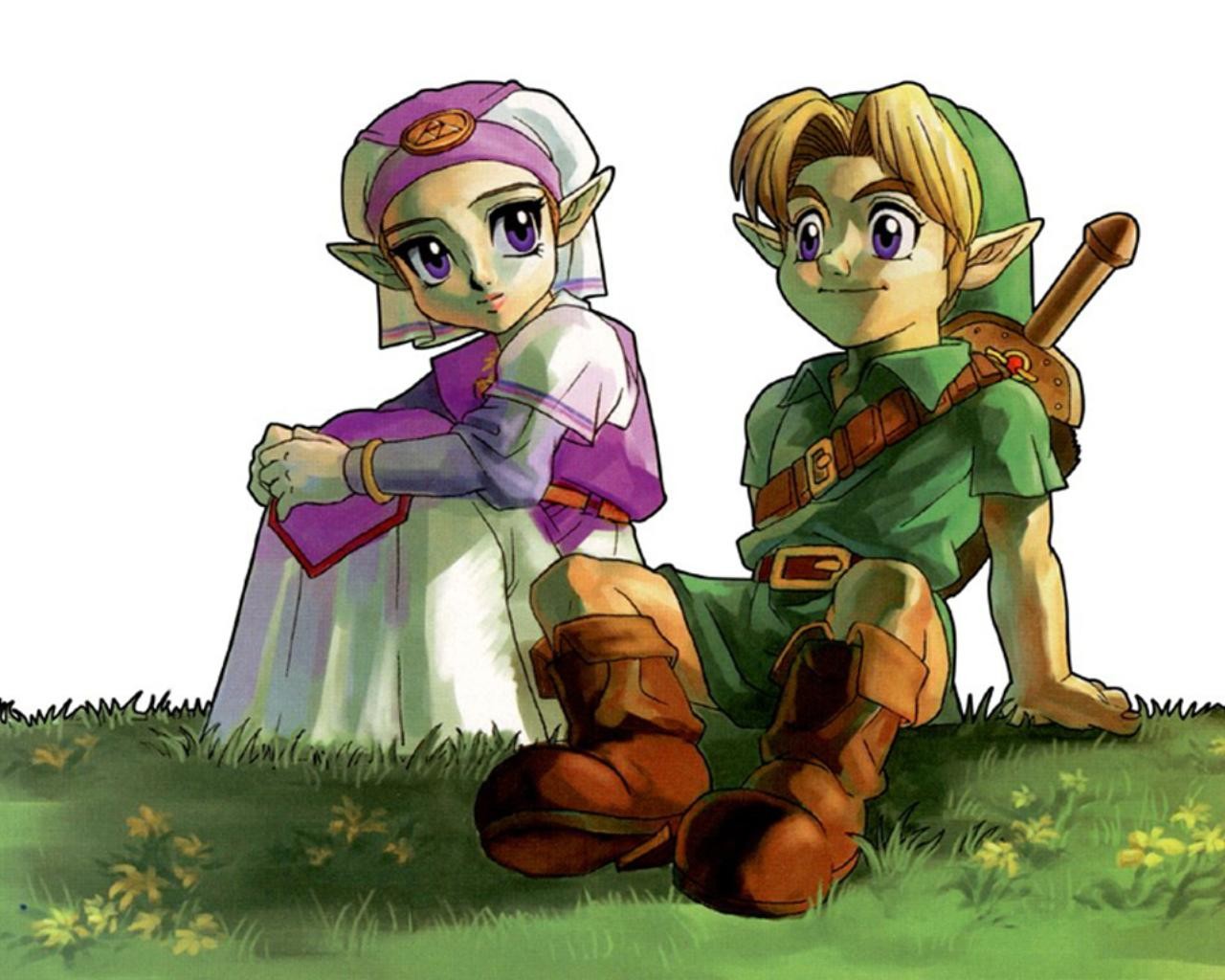
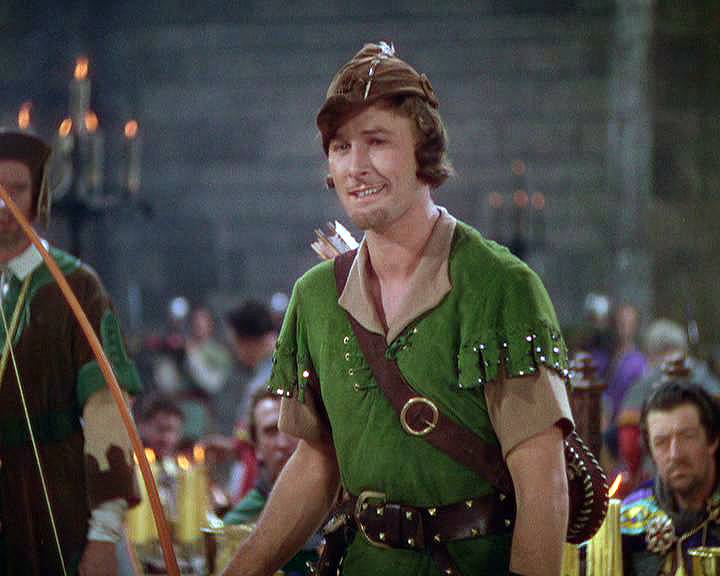
Robin Hood, the very first standard action hero of history. He is not a king, nor the son of a greek deity or God Himself, he is just an everyman like you and me. But he has outstanding abilities that can surpass trained warriors, who don’t have the street smarts that he’s got and are inevitably mocked by him in front of everybody. It’s not surprising that his story caught on with the people; his ghost still permeates almost every single story since then and every modern super hero is pretty much his descendant.
Robin Hood is a mythical heroic outlaw first alluded to in William Langland’s fourteenth century poem Piers Plowman, though the reference indicates he existed much earlier in oral tradition. He is traditionally associated with the Forest, connected with nature and living with his gang of misfits. The rule of cool dictates that he should not belong to the boring traditional justice institutions but fight for it as an outlaw. He is closer to nature than to industry and the green/brown tunic is used presumably to blend with the forest leaves/trunks where he can shoot arrows without being seen. He popularized the notion that forest dwellers such as elves are good at archery. Like a lot of legendary figures it is unclear to what extent he was real or wether he is just an amalgamation of various historical figures to which further stores became attached.
From Robin Hood and magical elves with pointy ears living in forests we also get the Disney version of the character known as Peter Pan whose influence on the Zelda series will fully blossom in Ocarina of Time with our main character actually living in a forest where children remain children and having a female fairy companion.
This opens up the discussion for the second major genre that the series grabs from, the Swashbuckler. This is adventure at its most distilled form. It does not focus on magic nor quests in which the destiny of the world depends upon, just pure fun sword fighting with the villain’s henchman to finally get the damsel in distress out of danger, save the day and, why not, have a romantic or monetary reward. Its focus can range from medieval knights to pirates, detectives, super spies and smirky archeologists. And speaking of the famous archeologist, Indiana Jones’ sense of exploration and adventure in exotic dungeons and temples might be the closest cinematic analogous to the series. Another big influence coming directly from Shigeru Miyamoto himself is his love for Westerns which alongside the American music used in the game are anachronistic and technically out of place in an European medieval setting but have become accepted and not questioned anymore within the Zelda games; there is a ranch saga here that you would never see in something like The Lord of the Rings.
The final influence we will discuss briefly in this part to complete the overall puzzle is that of the Japanese religion known as Shintoism. It was the original religion of Japan before Buddhism came along. It is still heavily practiced but it’s not necessarily an organized religion, just a set of practices that revolve around a huge connection and respect for nature and the spirits that reside in it. Trees are particularly sacred, though they are not worshipped so much as revered, water can be purified or corrupted, industrialization is not always a good thing and everything is elementally bounded to something; wind, fire, water, earth, etc. Religion is the first frontier to begin to understand any culture—perhaps only after environment— and Shintoism can give us insight into how Japanese people perceive the world. The Legend of Zelda has a strong influence from the local religions.
As for some of the names found in the series, it is well known that Zelda comes from the wife of famous American author F. Scott Fitzgerald, who was a wealthy socialite that became locally famous for her beauty and high spirits. More than any deep meaning, the name was selected for the pleasant ring of its sound and because it sounded exotic and mystical, apt for the name of a princess. The original intended name for the series was The Hyrule Fantasy, seeing as how this was its name in Japan, with ‘The Legend of Zelda’ as it subtitle. This shows that the true protagonist of the series and the tale that is being told is that of the land of Hyrule, which the avatar “Link” connects to the player, hence his name. At the end, since the original game was a success overseas with just the subtitle, they decided that the series would be called Zelda going forward.
That’s it for today. Well, so much for writing about music, but I guess I let myself go with the fascinating origin and road taken for various influences to collide in The Legend of Zelda. There is still plenty to discuss and, hopefully, we will dig even more into this fascinating series.
You can support the project research, the writings and more advanced multimedia options at:

Help to keep the rites going around here by supporting the shrine:

Media Files, requests and support for more interactive content

Thou shall donate since this is a cult and you are now a sheep

Help staying awake analyzing game tracks and writing posts or else everything will end up being written by A.I
Keep Exploring the Shrine (It’s Dangerous to Go Alone! Share With a Friend):
- Inside the Score – The Legend of Zelda: Ocarina of Time Original Soundtrack
 Deconstructing the music and cultural influences of a seminal video game soundtrack that takes its cues from both the Western and Eastern world. Deep dive into the inspirations of The Legend of Zelda: Ocarina of Time
 - Inside The Score – Koji KondoThe melody man behind Nintendo’s audio sensibilities. An in-depth exploration and musical analysis of the sensibilities of Nintendo composer Koji Kondo famous for creating the soundtracks for Super Mario and The Legend of Zelda
- Inside The Score – The Legend of Zelda: Ocarina of Time Original Soundtrack – Title Theme / OpeningMusic analysis and theory behind the soundtracks of The Legend of Zelda: Ocarina of Time composed by Koji Kondo. here we will explore the opening sequence of the game and how the ocarina shaped the tone
- Inside The Score – The Legend of Zelda: Ocarina of Time Original Soundtrack – Great Fairy’s Fountain / File SelectA staple tune worthy of a fairy tale. Music analysis and theory behind the Fairy Fountain theme from The Legend of Zelda series written by Koji Kondo
- Inside The Score – The Legend of Zelda:Ocarina of Time Original Soundtrack – Enter GanondorfBecause just one leitmotif wasn’t enough for this villain
- Inside The Score – The Legend of Zelda: Ocarina of Time Original Soundtrack – Great Deku Tree’s ThemeAlluding to the ancient past through real world connections. Music analysis and theory deconstruction of the Great Deku Tree from The Legend of Zelda: Ocarina of Time. Composed by Koji Kondo