Undertale
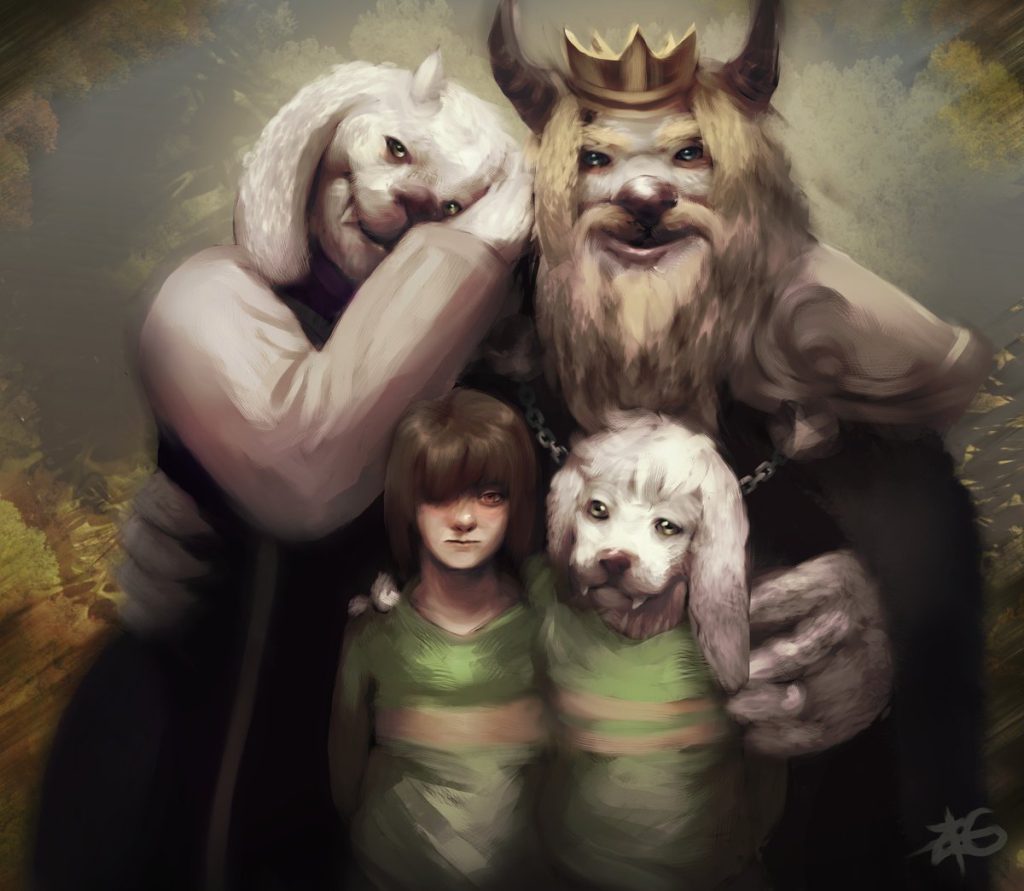
This is Undertale. And this is the end.
Greetings to consumers all across the globe. Thanks for the support and love the blog has received throughout its run —no, this is not goodbye even though this track would be a perfect fit for that!
And don’t ask for the full Undertale though, stop trying to make Undertale happen! Great soundtrack but the MIDI tracks need to be generated from scratch with advanced methods—basically just listening to it a lot.
For now I leave you with some thoughts about the longest track from the already iconic Undertale soundtrack. Since this is pretty much a mixture of already known Undertale tracks, we will get to its proper components later.
Musical Analysis
There is a reason this one is named Undertale, just like the game. Since it is at this moment when those indie games do the emotional gut punch of revealing the full scope of their story. A nostalgic ostinato with a folksy instrument and vibe of a track the player has already heard—and in this case actually played on a piano themselves—is a must; although it failed the indie test of having it played on a banjo. It also failed the indie test of having its story end up being a metaphor for depression (Ok, it is actually a depressing scenario for the characters). This is the moment where you see what is the full deal with the monsters of the underworld and what some important characters were going through.
Unlike other compositions from the soundtrack this one actually uses a recorded performance of a slightly detuned acoustic guitar to which the other instruments join as a crescendo, Ravel’s Bolero style, with even the standard key change up for the final punch. The key change up might be a cliche but its undeniable power can still be deployed from time to time. This is the moment where the game allows itself to let go of its subversive, random humour nature and become as emotional as indie games are required by law. So what will you do with the final boss after learning all this? That Is the question posed by Toby Fox.
Also, finally, the delay effect to the piano notes is an actual delay as opposed to artificially having to create it by doubling notes. Welcome to modern gaming! Some contrabass notes are so low that they barely appear on the visualization. Plus, you have the proper violin section instruments as opposed to generic string pads—even though they are still here—with the violin specifically having many articulations like detache.
Since the score for Undertale is heavily based around reused leitmotifs all across in order to make a classic cohesive experience, it is not surprising that this one uses what will become the Asriel theme, already heard as an ostinato by the player during the adventure, including a pointless puzzle trying to get the legendary artifact; it is mixed with the opening cue of the game, also its main theme, Once upon a Time to close the cycle.
I will eventually go more in-depth into Undertale (both song and game); you can check more tracks and an introduction here. Thanks to Majora4Prez as a Pareon supporter for aid in discussions about the track and pointing out to the proper instruments used. It is nice that the Undertale fans have already made instrument sheets of almost everything that Toby Fox used on his soundtrack! Check for example over here.
Help to keep the rites going around here by supporting the shrine:

Media Files, requests and support for more interactive content

Thou shall donate since this is a cult and you are now a sheep

Help staying awake analyzing game tracks and writing posts or else everything will end up being written by A.I
- Inside The Score – The Legend of Zeda: A Link to the Past – End Credits / Staff Roll
 The land rests As the last few minutes of this extensive journey that has now come to an end fly by, the nostalgia and reflective mood kicks in. Because such a massive enterprise as a Zelda game or a Lord of the Rings movie require multiple endings to convey everything… Read More »Inside The Score – The Legend of Zeda: A Link to the Past – End Credits / Staff Roll
 - Inside The Score – The Legend of Zelda: A Link to the Past – Ending / Epilogue ~ Beautiful HyruleFinal of the fantasy The Triforce has been touched. A wish has been granted. For the occasion, the newly undeceased king of Hyrule has commissioned a march in honor of the legendary hero to the Hylian Sousa, who might as well be composer Nobuo Uematsu since this piece is very… Read More »Inside The Score – The Legend of Zelda: A Link to the Past – Ending / Epilogue ~ Beautiful Hyrule
- Inside The Score – The Legend of Zelda: A Link to the Past – Triforce Chamber / Power of the GodsTake your boots off your feet And thus the Triforce spoke to men. And it became present in history. And you better treasure and contemplate this moment seldom witnessed in the course of the series. The elusive opportunity to interact and touch the most important artifact. You are now in… Read More »Inside The Score – The Legend of Zelda: A Link to the Past – Triforce Chamber / Power of the Gods
- Inside The Score – The Legend of Zelda: A Link to the Past – Ganon Battle / Prince of DarknessProgressive evil En Garde! And you better be prepared since you are about to duel the iconic enemy of the series at perhaps his canonically most powerful incarnation. Right after having touched the sacred Triforce which allowed him to conquer all of the Golden Land and whose evil and darkness… Read More »Inside The Score – The Legend of Zelda: A Link to the Past – Ganon Battle / Prince of Darkness
- Inside The Score – The Legend of Zelda: A Link to the Past – Boss Battle / Anger of the GuardiansQuick mayhem Ah, the simpler times when boss battles where not a multi epic orchestral suite but just an ostinato more basic that even what became the music for standard battle encounters out there. We are a long way from each boss having his own personalized track. And this early… Read More »Inside The Score – The Legend of Zelda: A Link to the Past – Boss Battle / Anger of the Guardians
- Inside The Score – The Legend of Zelda: A Link to the Past – Dark World Dungeon / Dungeon of ShadowsMemento mori We are getting closer to Ganondorf (or at least the wizard Agahnim who ultimately fulfills the same human side of evil role in this game) and that means getting closer to the profiles and motifs of his own theme song (which naturally was the theme of Agahnim at… Read More »Inside The Score – The Legend of Zelda: A Link to the Past – Dark World Dungeon / Dungeon of Shadows