Sounds that reach for a higher level of consciousness
Though thousand times a thousand in battle one may conquer, yet should one conquer just oneself one is the greatest conqueror.
Buddha
It’s quite rare the opportunity when we get to see a water level in a video game musicalized without Caribbean, Irish swashbuckler, a waltz, or ambient relaxing synth styles. For the Water Temple from Ocarina of Time Kondo had to resort to other water concepts mixed with his particular knack for incorporating sounds and inspirations from inside the game world itself. So, when all those common styles are Inappropriate, what’s left for the water element? It seems that for Japanese composers and designers, the answer lies close to home.
Apparently, the memo of no religious imagery doesn’t seem to cover the Eastern part of Asia, because for the Water Temple, not only is it full of references and imagery to Buddhism, but it is in fact a fully fledged Buddhist shrine conceptually and thematically, where Link is going to prove that he has the last of the values of the goddesses: wisdom (in truth, it possibly has to do with the way religion is conceptualized in Japan and within the company, so maybe it does not really violate the policy of Nintendo).
Each of the three first temples had as a base one the attributes of the golden goddesses characteristic to the series; the Water Temple takes its notion of wisdom very, very seriously, not only is it by design the temple most focused on puzzle solving and exploration (the whole temple is a big puzzle) but it actually conveys a metaphor for Link gaining enlightenment and purification. The temple is so infamous in its difficulty and confusing layout as to be the only temple from the game to have its own Wikipedia page:
it’s no surprise that for a Japanese team of developers the concept of wisdom will go much deeper than mere intellectual prowess and problem-solving skills. All this, coupled with the often pure and sacred nature of water, made Buddhism the perfect conceptual framework to base the temple around—Water is in fact so important to East Asian cultures that the new year celebration of many nations over there is called a water festival, in which celebrations are famous for the public water fights framed as ritual cleansing.
Buddhism, Labelled variously as a religion, a philosophy, or a way of life, is today an amalgam of traditions, beliefs and spiritual practices taken from a big pool of cultures around the world; so many ideas are imbued under the Buddhist umbrella that the name by itself cant’t possibly hope to communicate a clear reference point for its many denominations. We have to try and narrow more what the Water Temple might be going for.
For starters, Buddhism is native of ancient India; an offshoot of Hinduism that spread around the rest of Asia, it is more commonly identified with the eastern part of the continent since the other half is more characterized by Islam and Arabic influences. For each region the practice reached, it gained traditions from the local religion and philosophies, incorporating them, mixing them and creating different schools of thought and beliefs. China and India are always the big players in the region, influencing everyone and everything close to their radius.
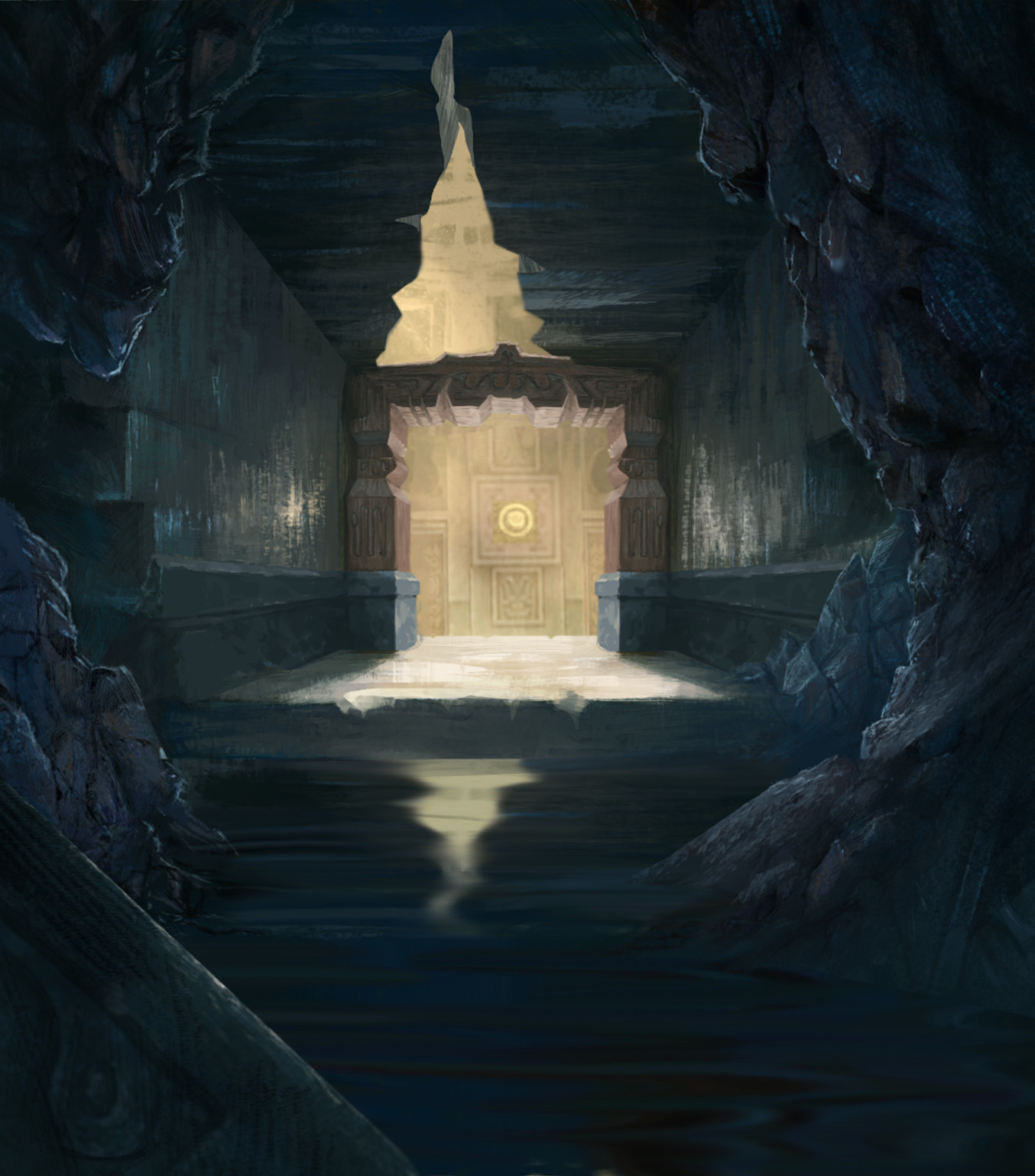
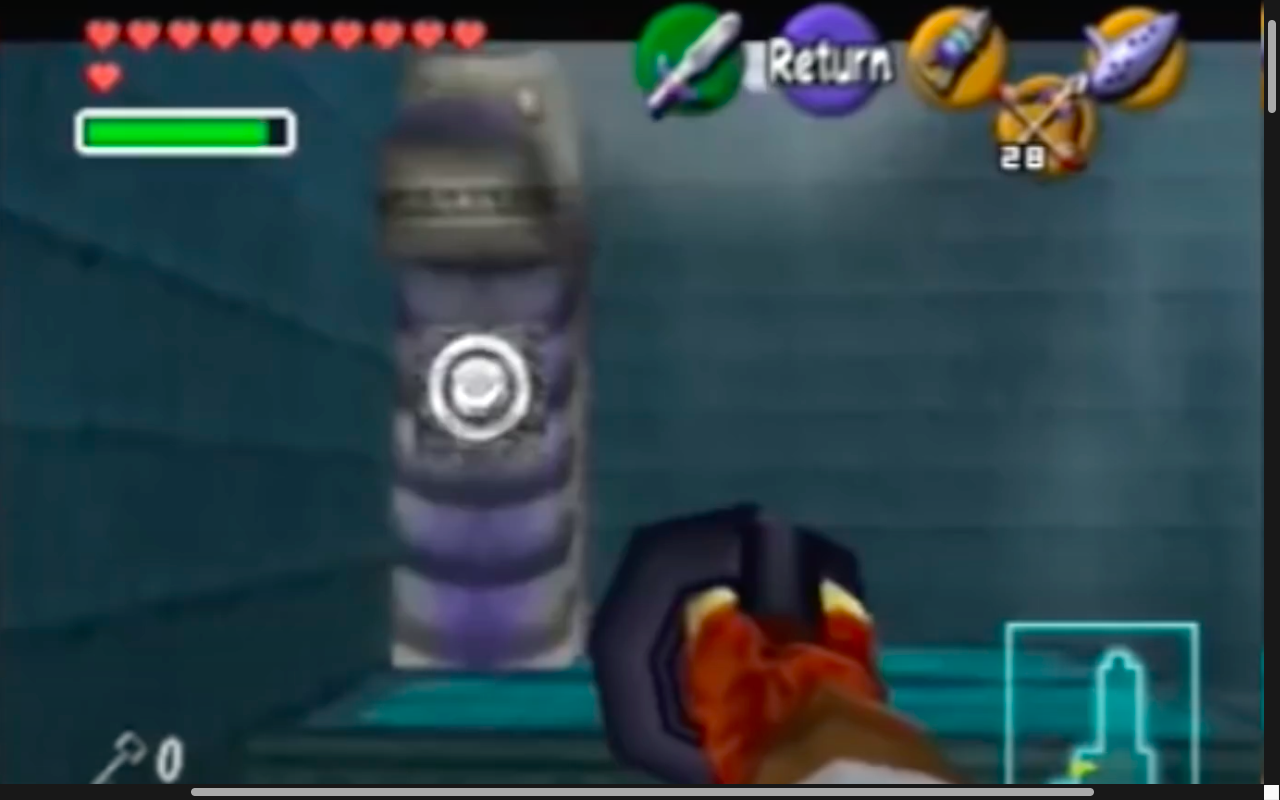
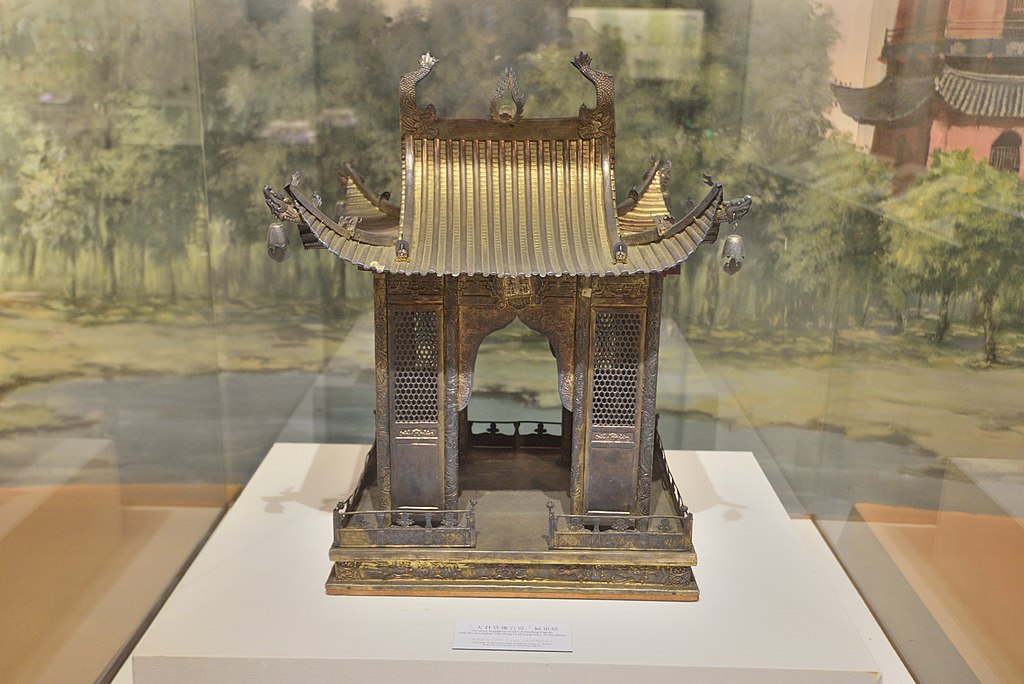
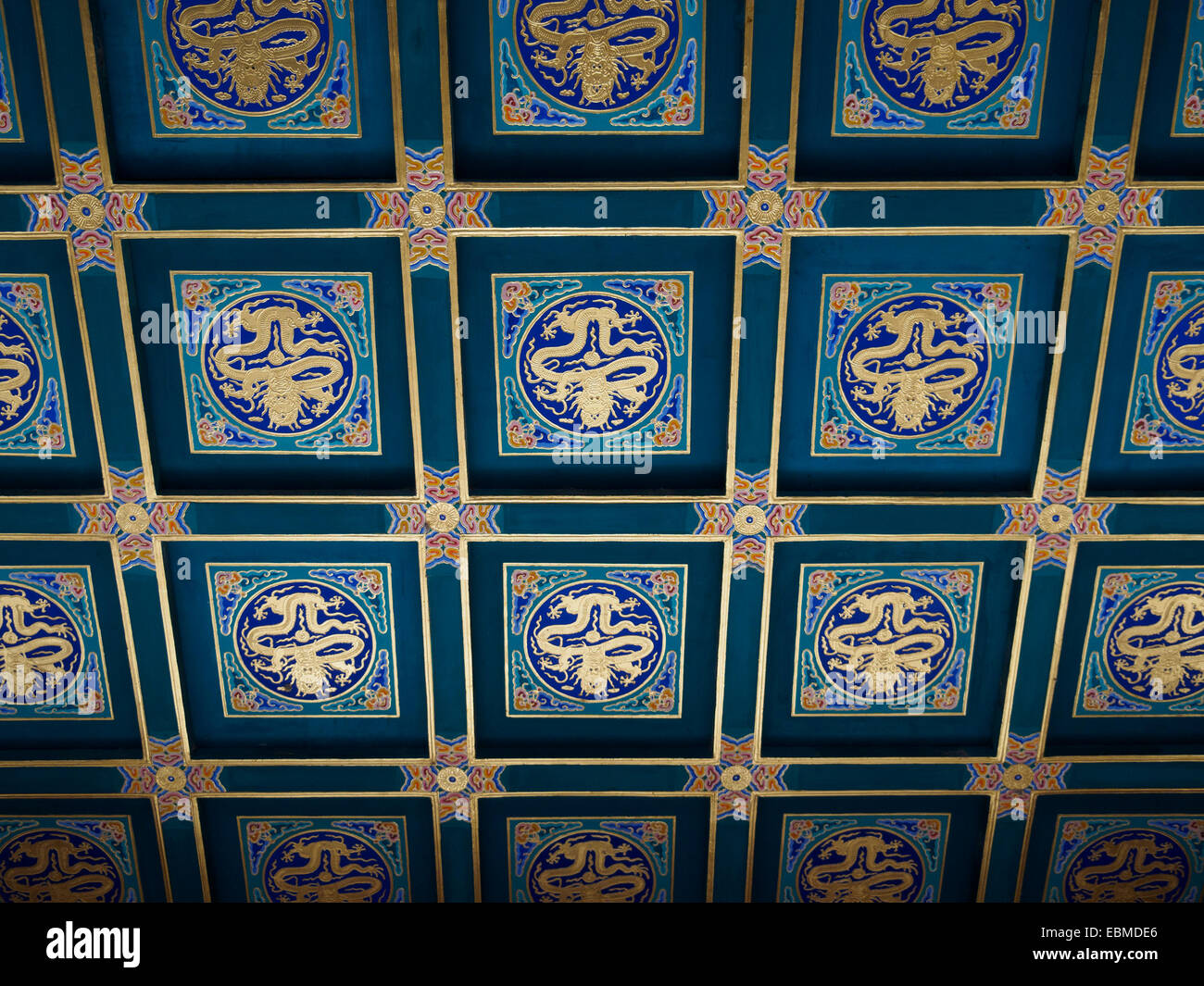
The particular design of the Water Temple would be closest to that of the Mahayana Zen Buddhist tradition of Chinese origin, possibly the most mainstream offshoot in Japan. The whole concept of the dungeon within Lake Hylia is based around the small Chinese underground structure known as a “dragon palace” or “dragon cave,”a sacred shrine inside a karst cave consisting chiefly of a brick- or stone-lined room. This enclosure, which is sometimes decorated with murals, holds a container in which relics and funerary objects have been placed. The container holding the sacred objects is usually placed within one or even several larger containers. This monument enshrining sacred relics takes the form of a pagoda, a towerlike, multistory structure associated with a Buddhist temple complex. A pagoda is exactly what we find right in the middle of the Water Temple
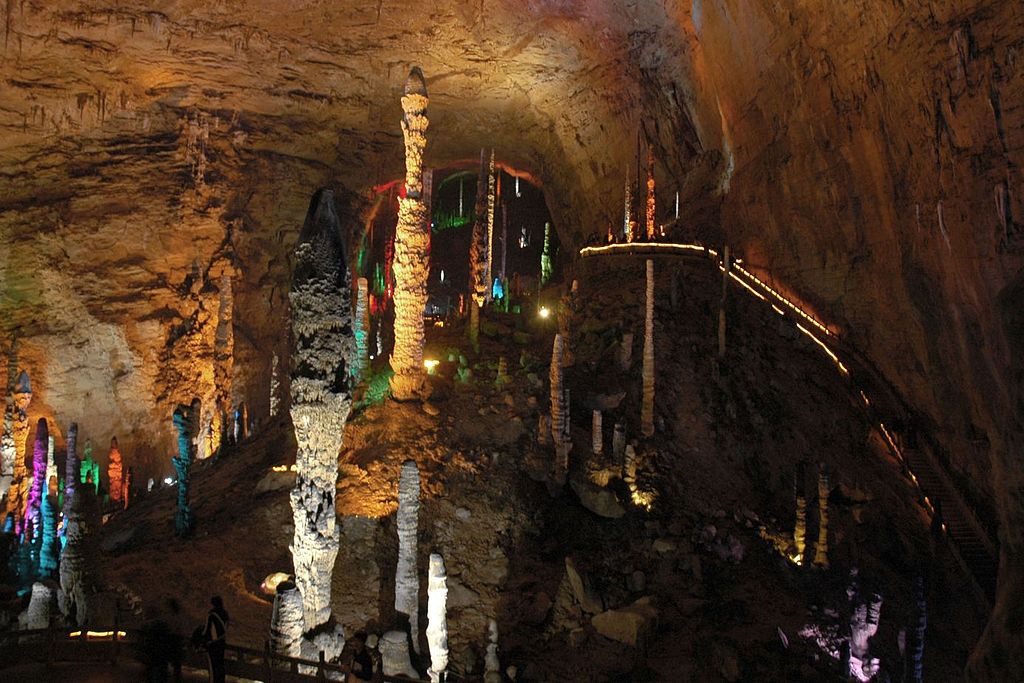
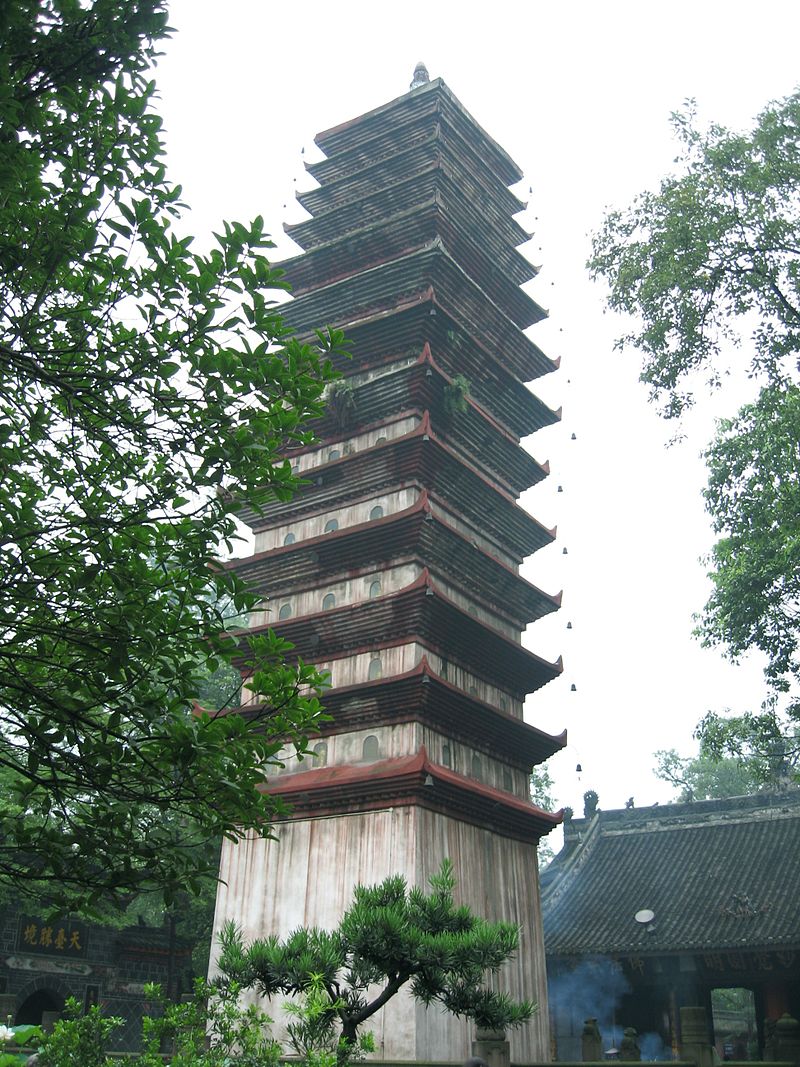
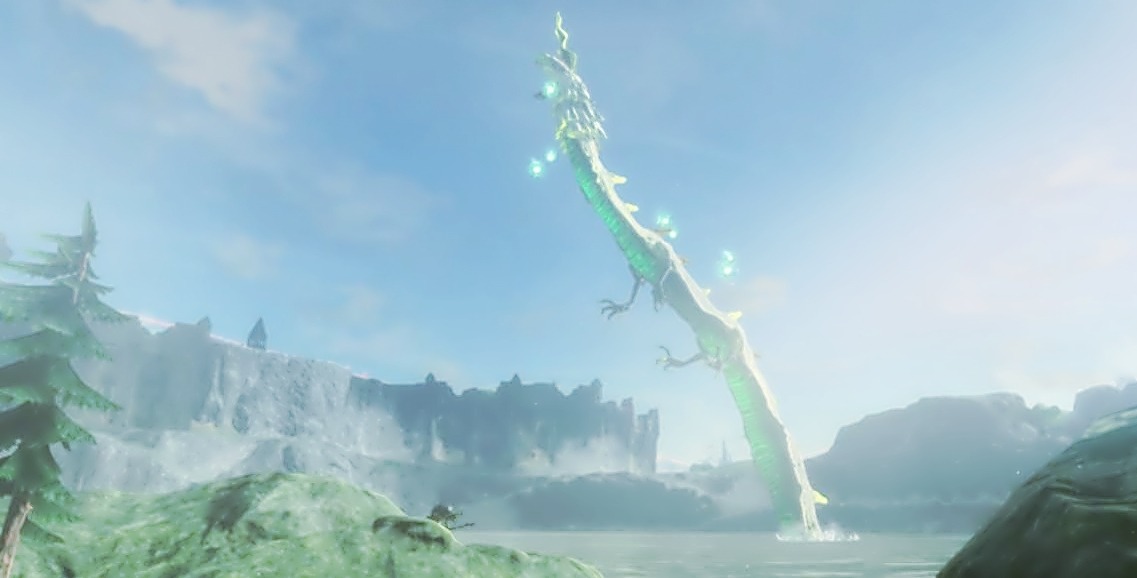
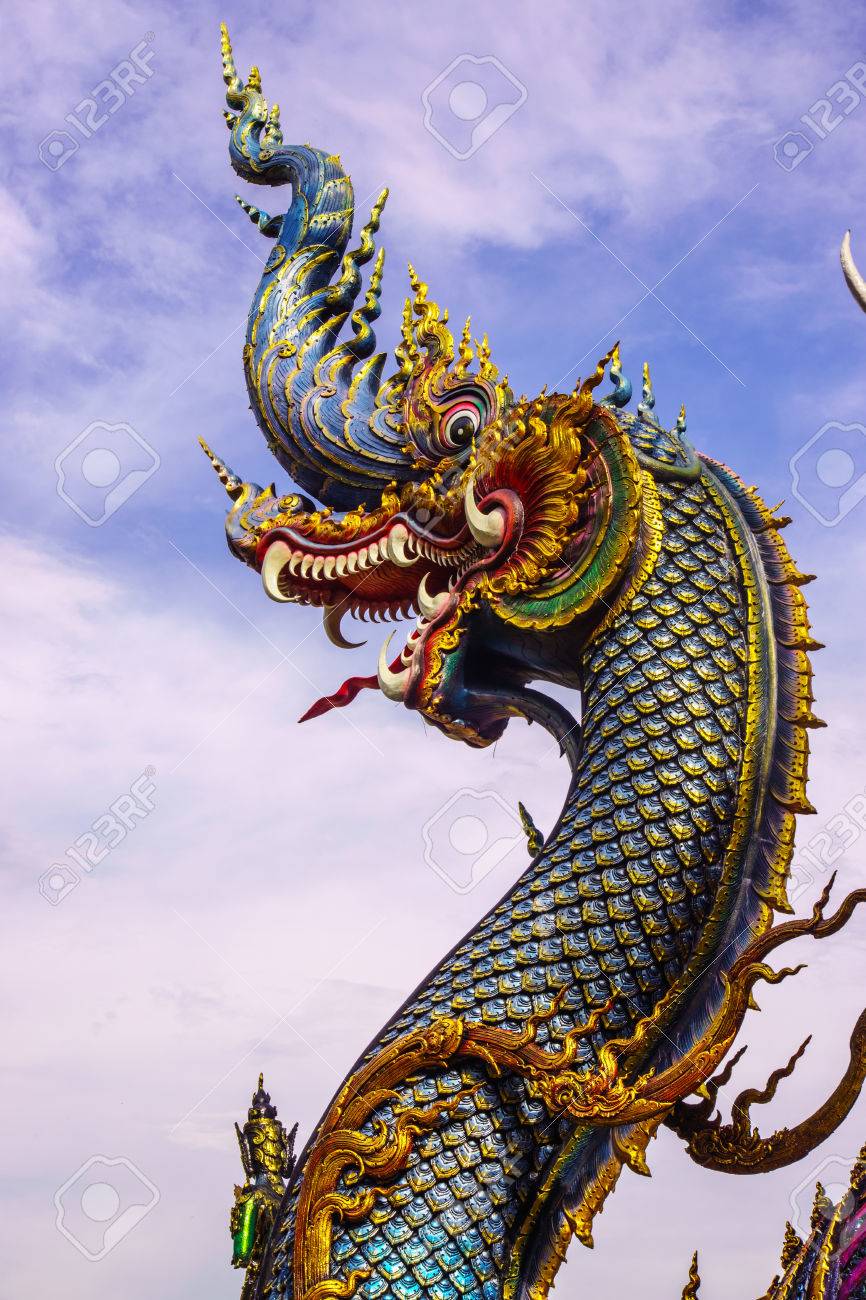
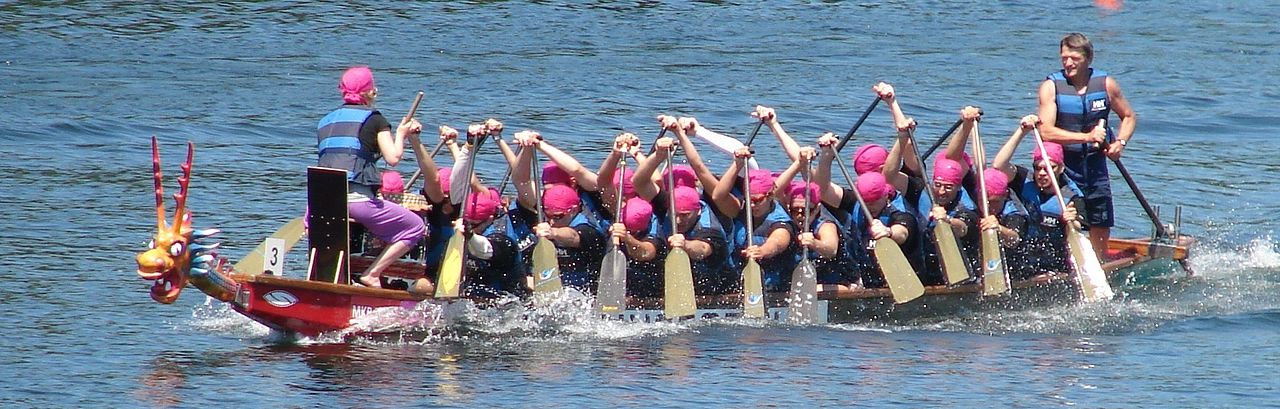
The area is named dragon palace because it is believed to resemble the legendary home of the Dragon King, a Chinese water being regarded as the dispenser of watery forces. East Asian cultures have often viewed dragons as water-related deities (or sky, which was considered an ocean in classical Chinese thought anyway) unlike the fire-breathing brethren more commonly associated with Western dragons —as a matter of fact Westerners who encountered stories and images of Chinese lóng, their true name, sprung on the similarities to the European dragon and couldn’t think of anything else to call them. The reason for Chinese dragon worship is likely because the region of Northern China, where Chinese civilization first began, was filled with dinosaur fossils which led to the development of dragon myths; The term Long is also used to describe saltwater crocodiles.
In Buddhist tradition specifically, it describes a figure named Duo-luo-shi-qi, a Dragon King who lives in a palace located in a pond near the legendary kingdom of Ketumati. It is said that during midnight he uses to drizzle in this pond to cleanse himself of dust. The Zelda series will go on to double down on dragon imagery for future installments, getting in touch more and more with its Eastern roots.
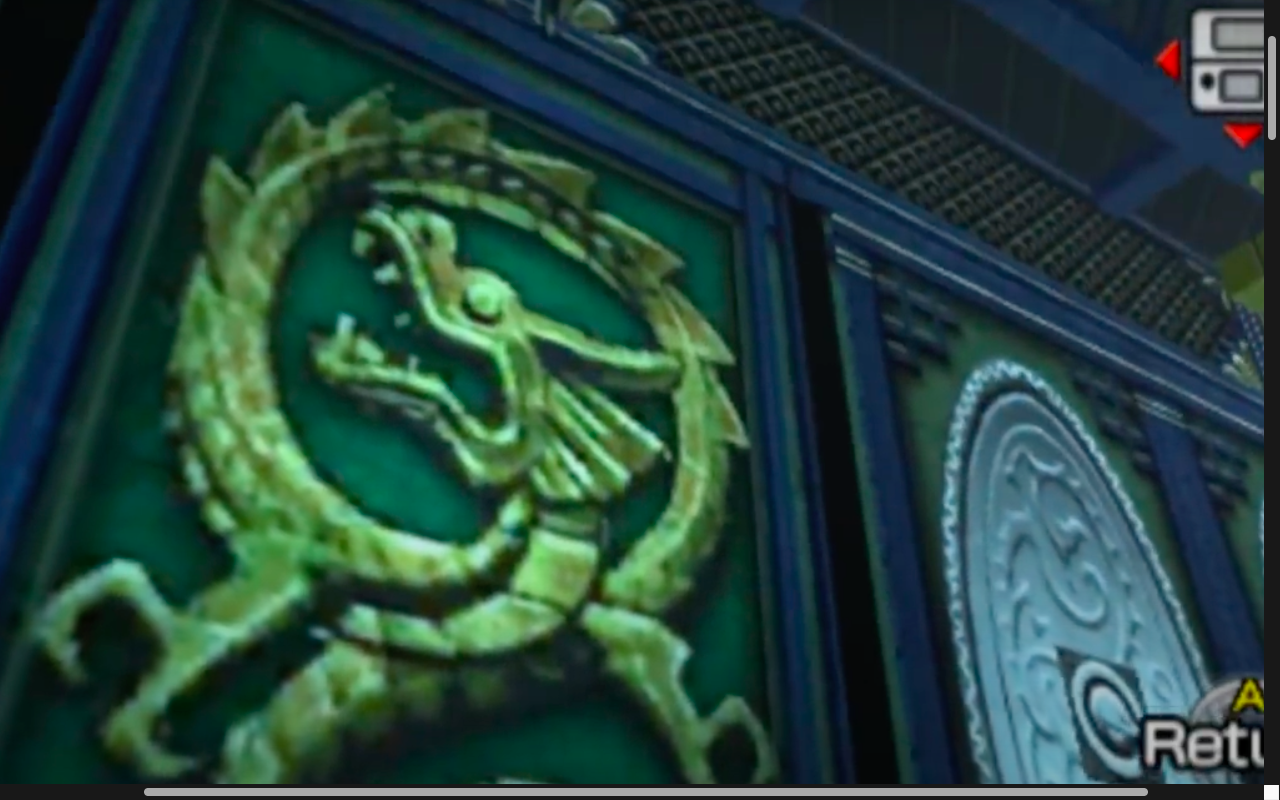
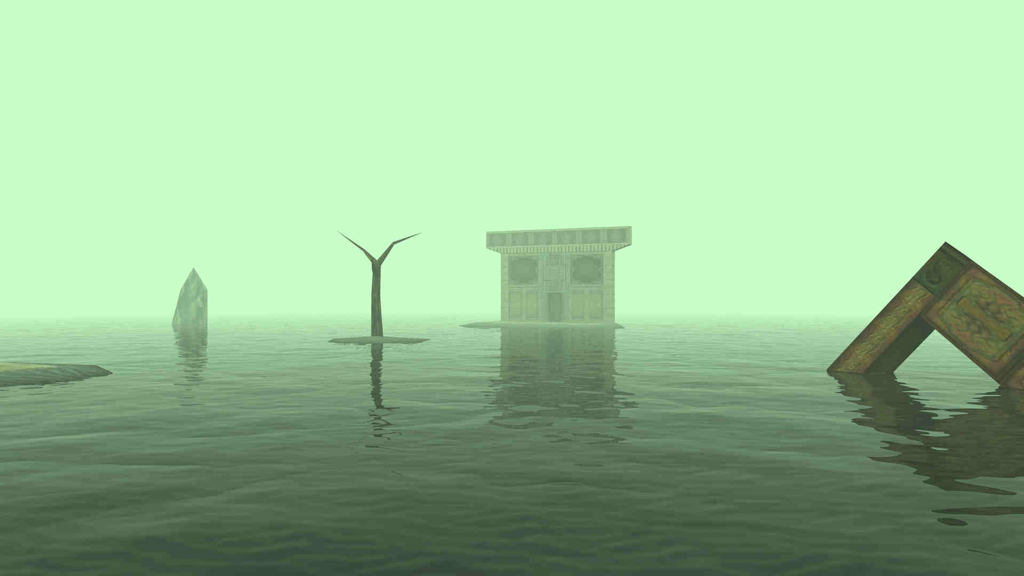
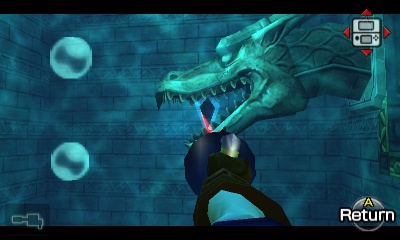
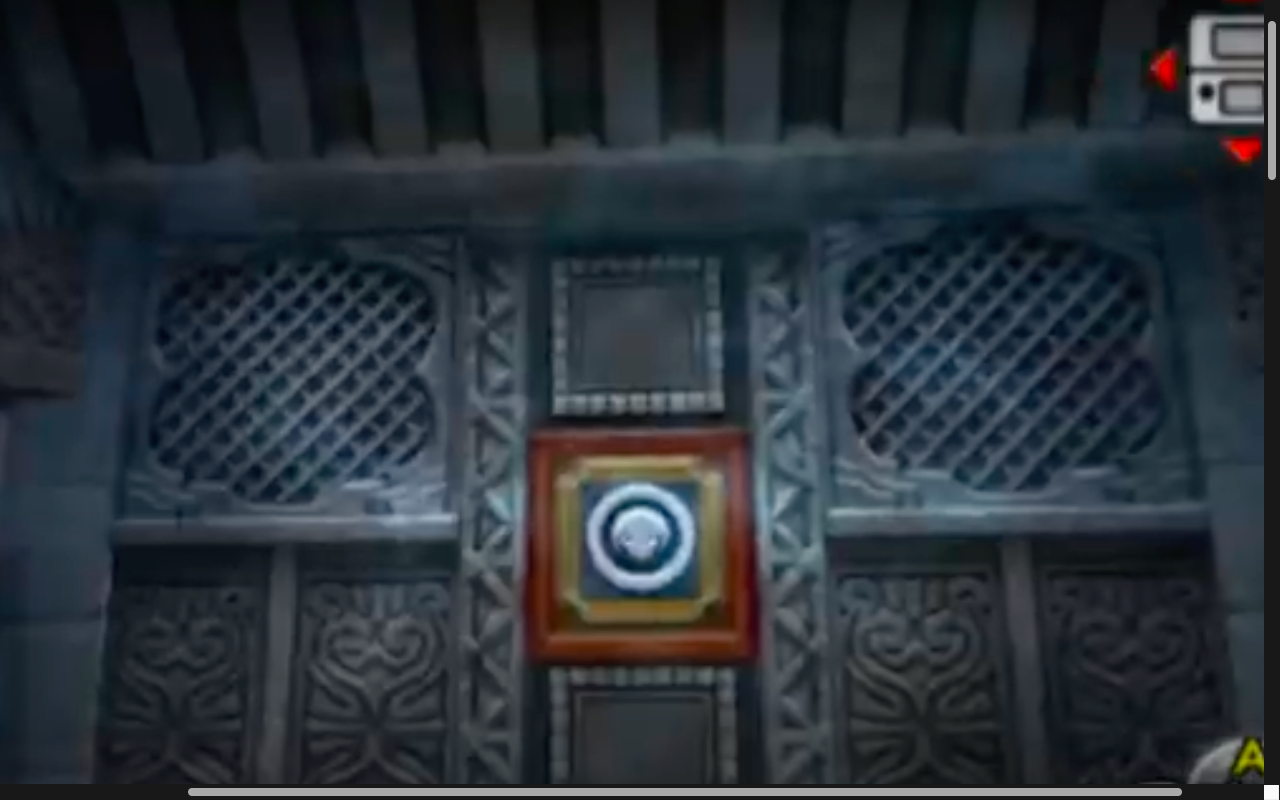
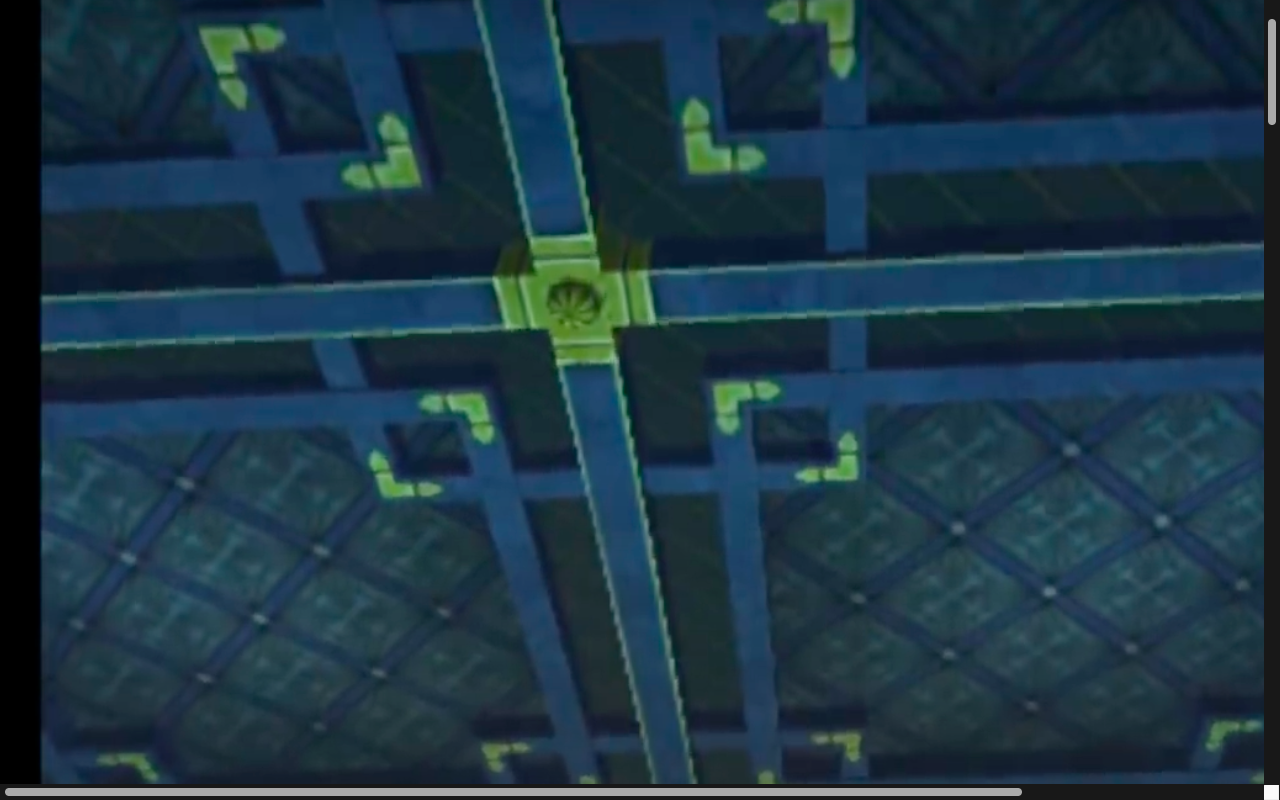
The pagoda located in the middle of the Water Temple is also a metaphor for Link attaining the different levels of enlightenment on his bodhisattva path; it is made of four levels representing the four stages of awakening present in early Buddhism or perhaps the four noble truths that comprise the essence of Buddha’s teachings. It all culminates in Link literally purifying himself from his own darkness in a literal reflection room located on the very last floor of the temple, right under the Bodhi tree said to be where all Buddha have reached nirvana (This tree imagery along with the emphasis on the number four will be doubled down on Majora’s Mask, where Eastern influences are turned up a notch). In any case, the Water Temple is full of symbols that seem to point out to a theme of reflection and the number four.
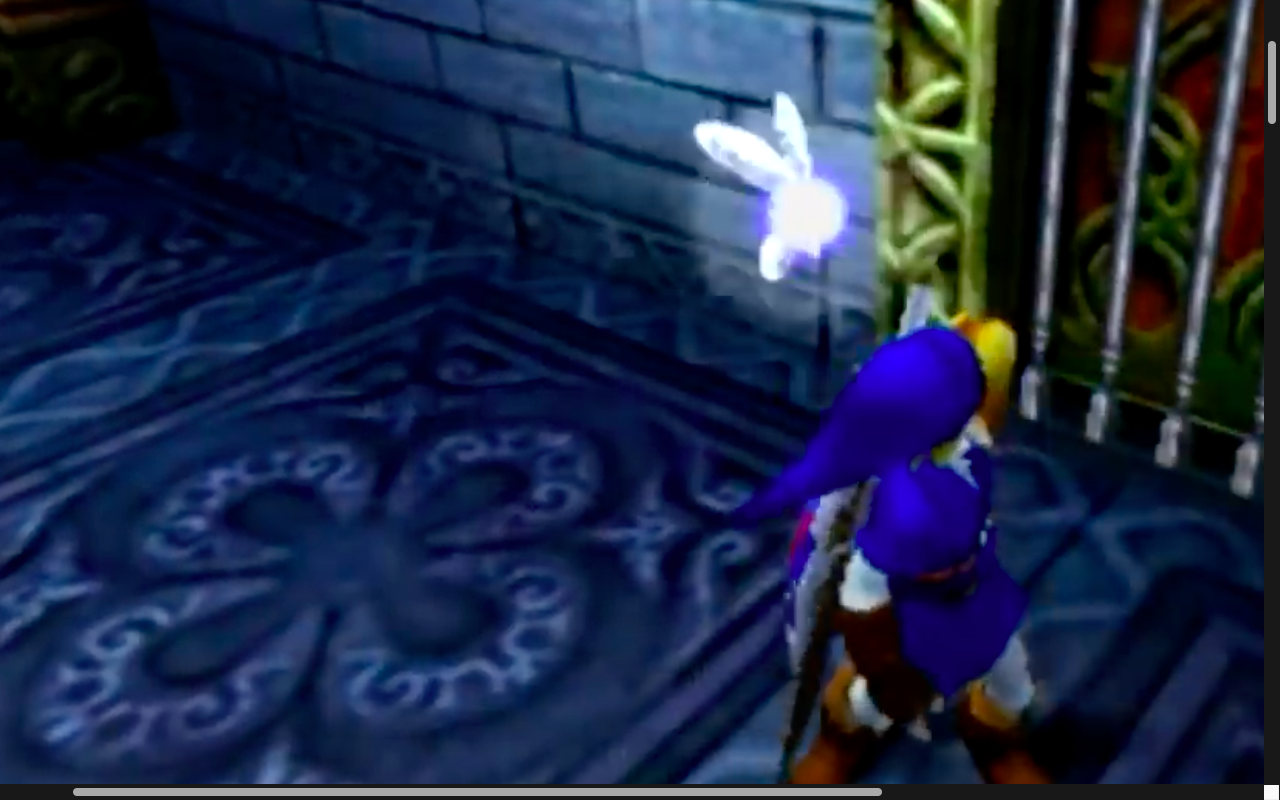
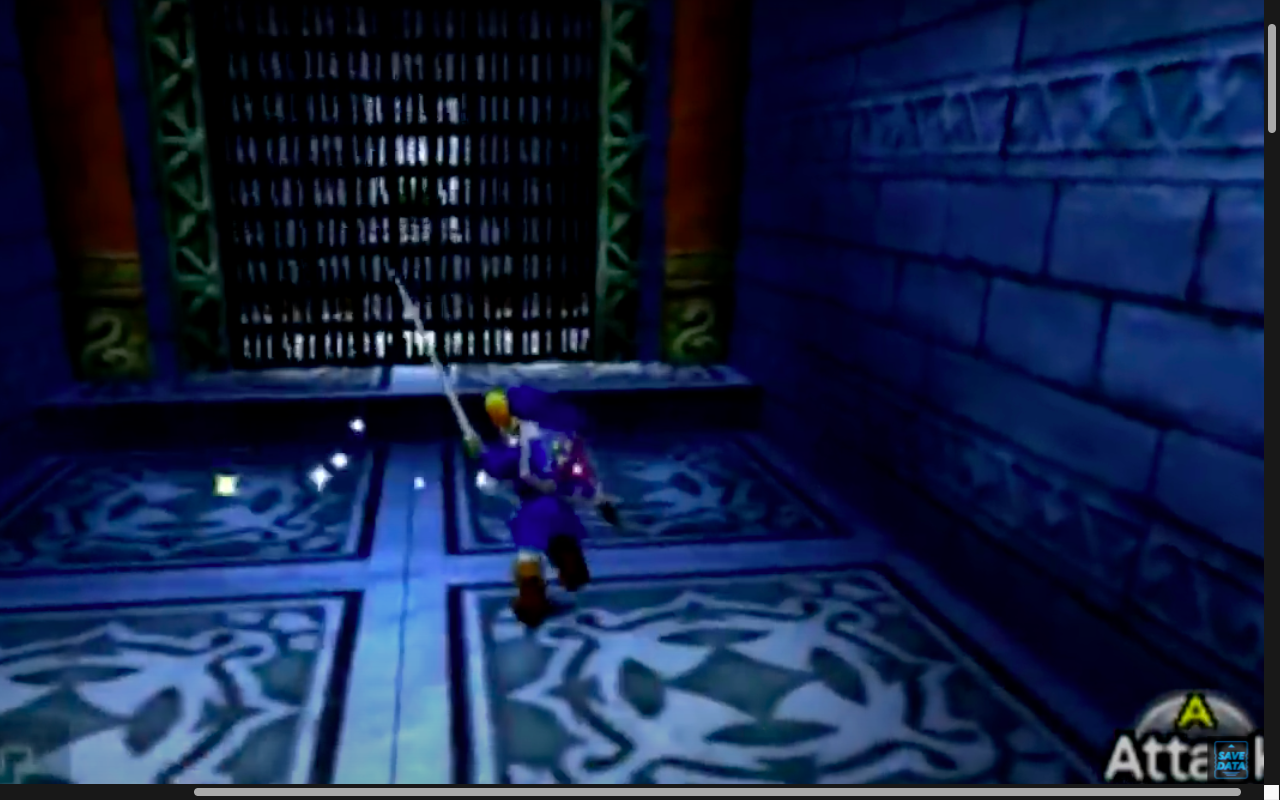
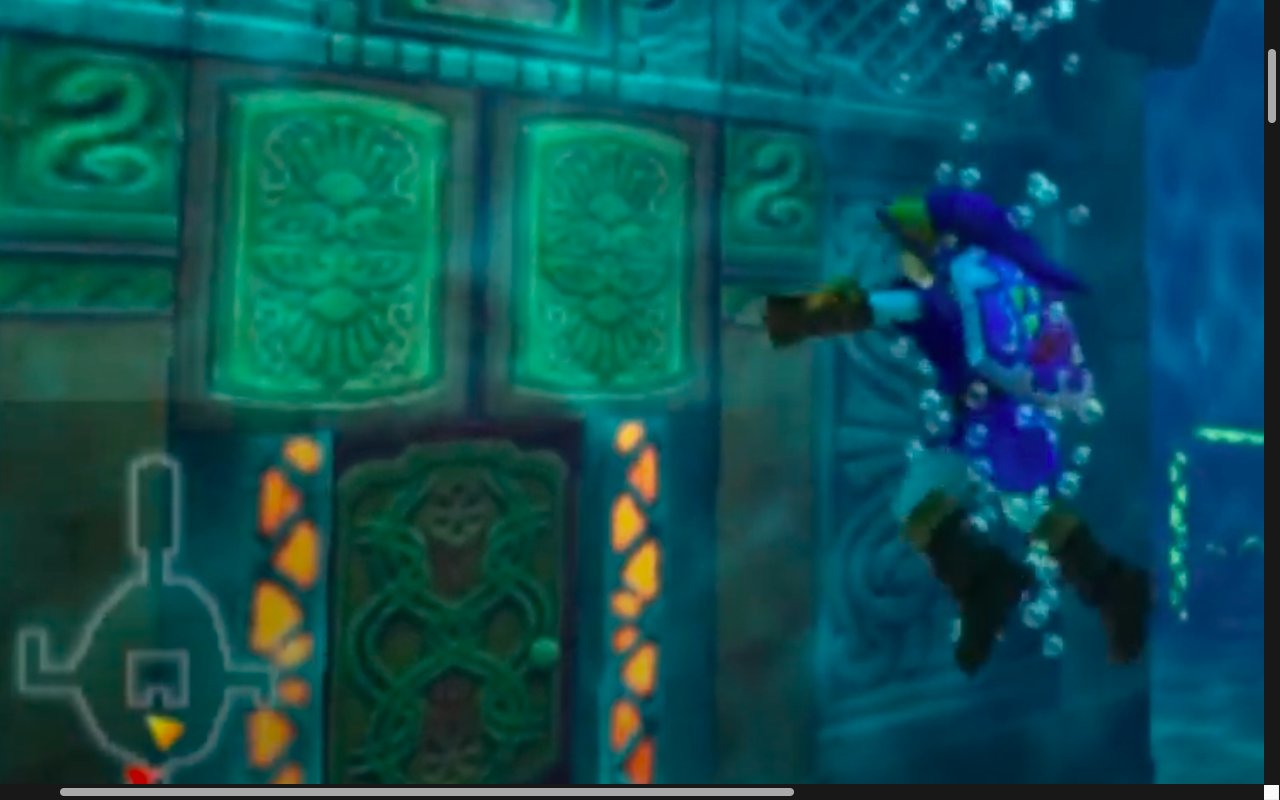
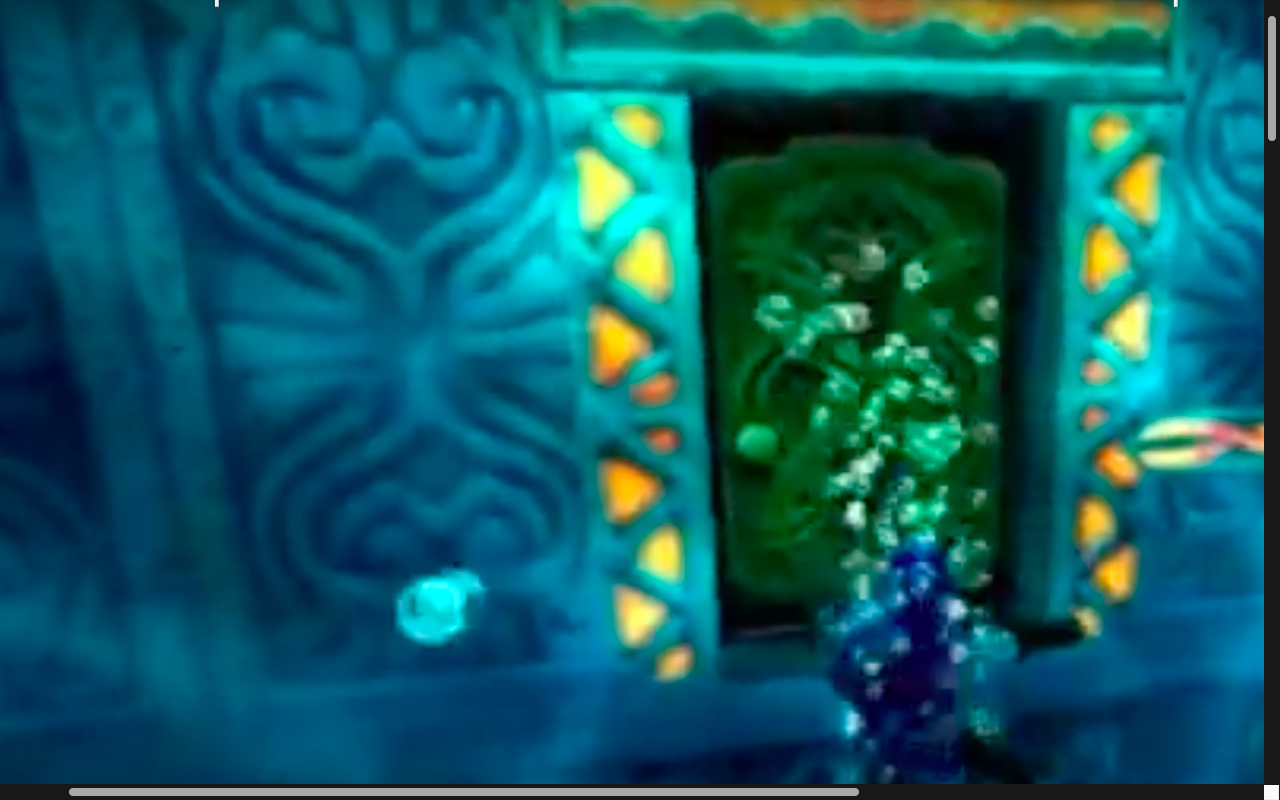
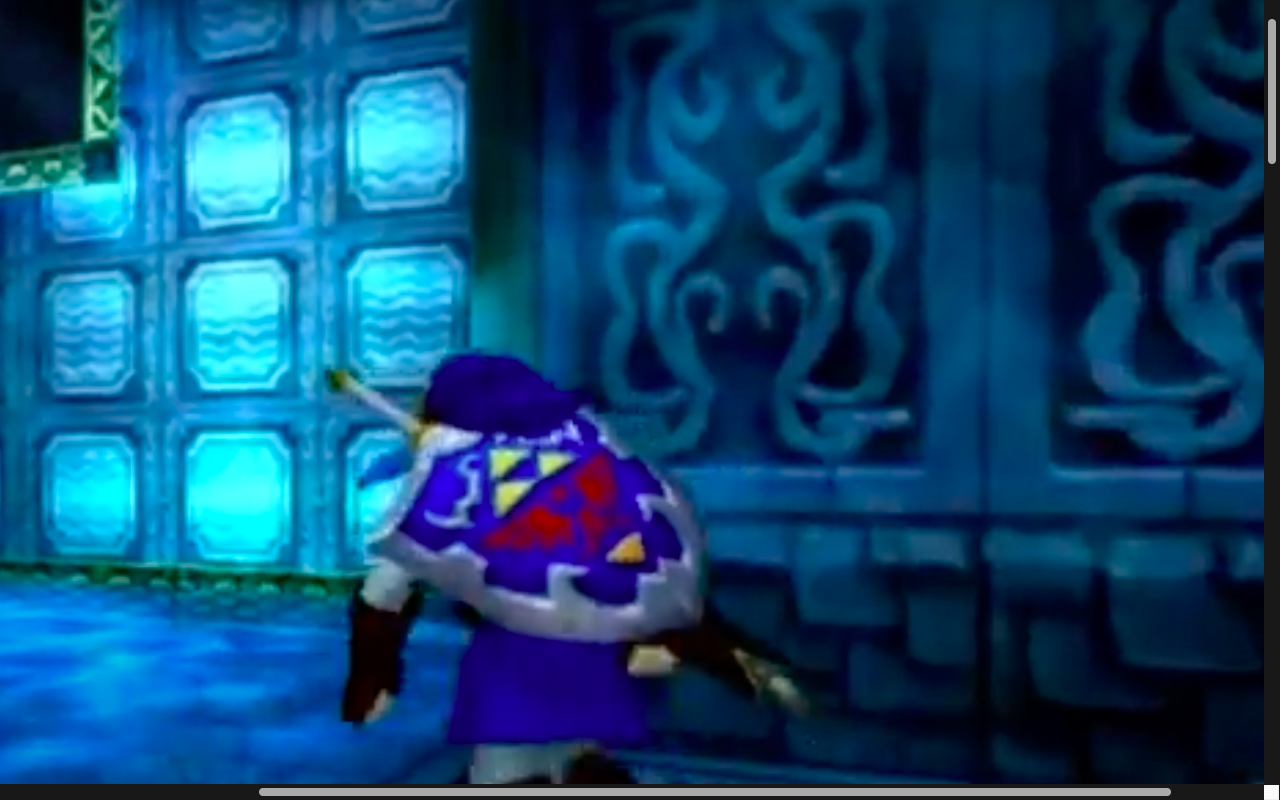
The temple is filled with all kinds of symbols of dragons, reflection, the number four and who knows how many more can be found (the 3DS remake added a bit more of Eastern flavor to the dungeon). This temple will not be the last water based level conceived around Buddhism in the series, for 2011 Skyward Sword, the water temple of that game will go on to incorporate even more blatant Buddhist imagery.
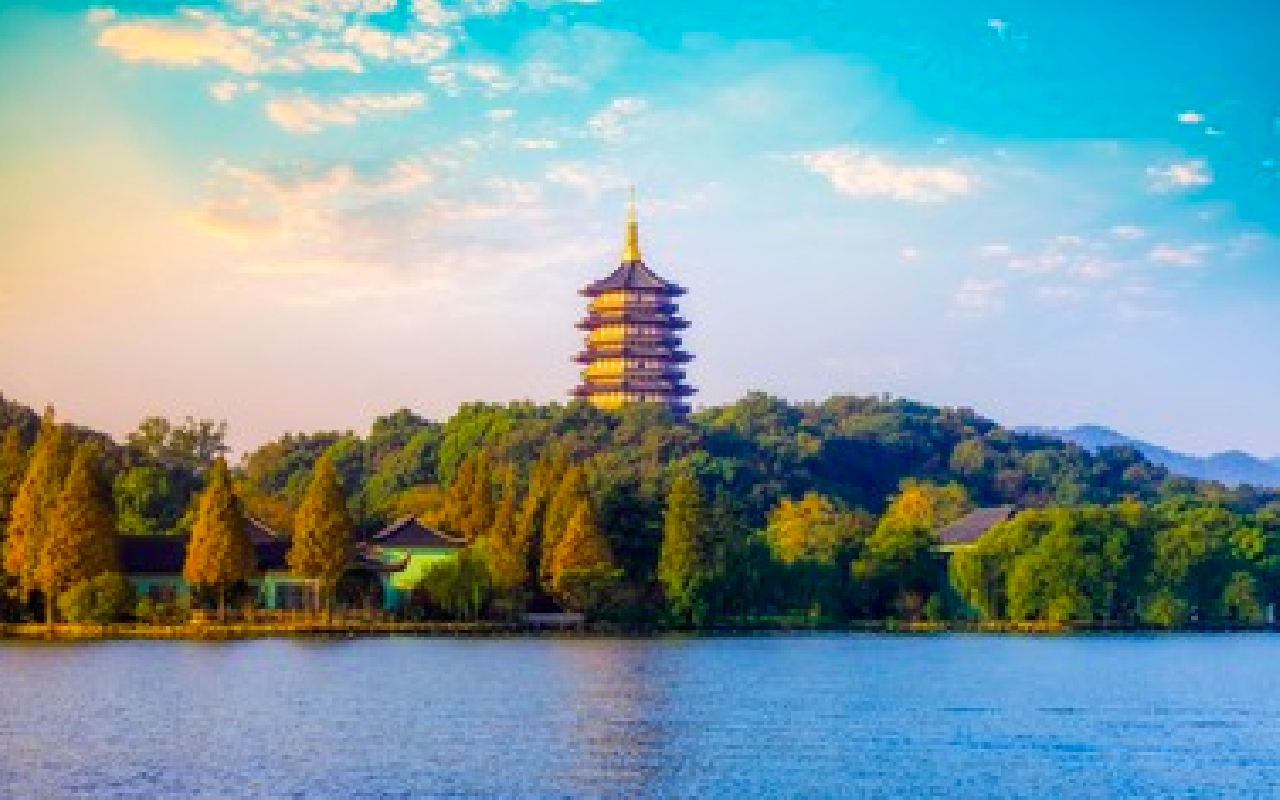
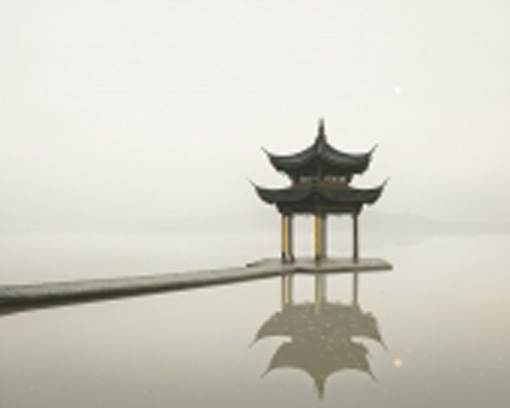
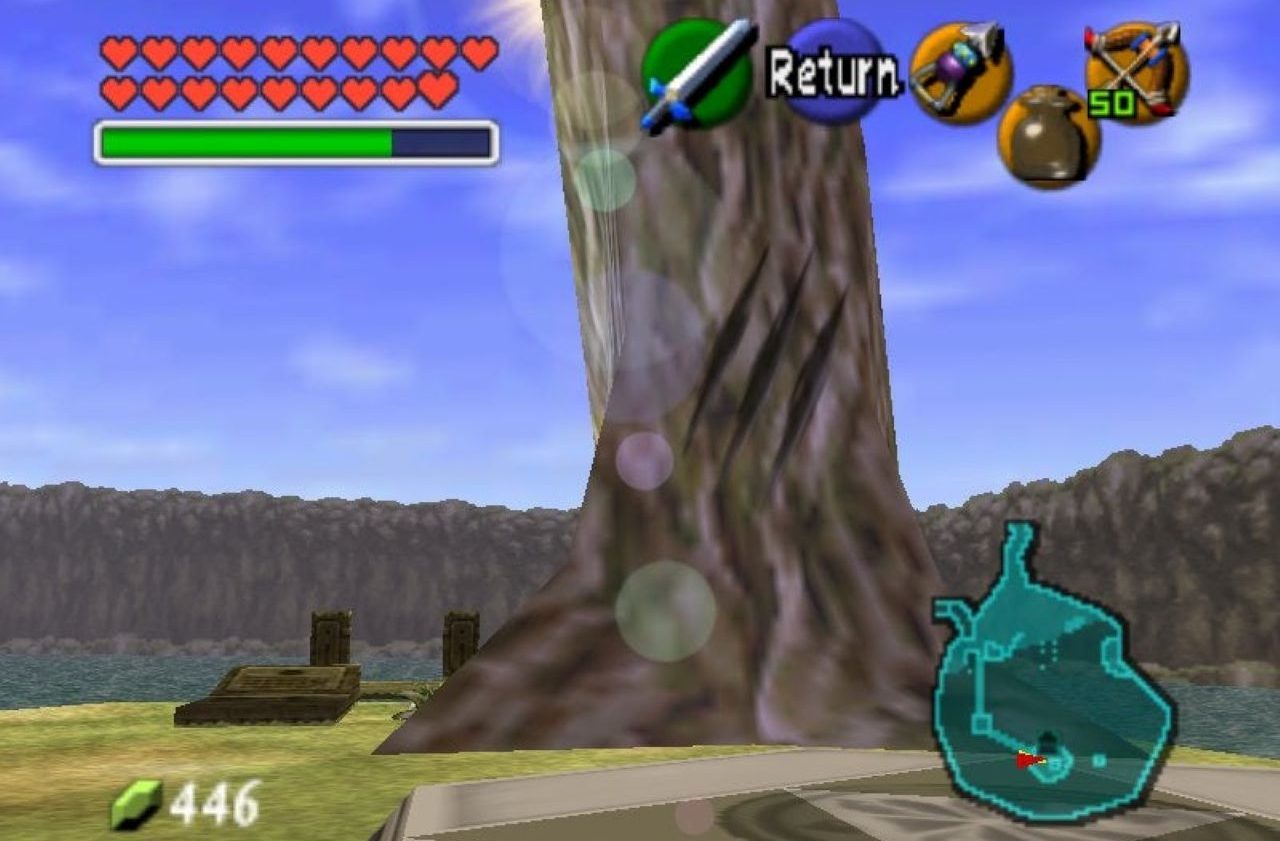
Therefore Link is basically coming to purify and cleanse himself at the Water Temple—it may be that important Hylian members had to peregrinate to this temple for that specific reason— And of course he needed an appropriate soundtrack to meditate in peace and conquer himself; Koji Kondo delivered an appropriate cue that went directly to the origins of the religion and the practice of meditation.

Music Analysis
Structure: Section 0 / Section 1 / Section 2 / Section 3 / Section 4 / Section 5 / Section 6 / Section 7
Time Signature: 4/4
Tempo: 87
Melodic and Harmonic Profiles: G Double Harmonic Minor; G Ionian/Major
The Water Temple will be a long dungeon for most players, therefore, the developers taking that into account, dictated that the music should also have a long duration in order for it to not become tedious; the cue lasts a little over two minutes, making it one of the longest dungeon cues in the game (the second longest in fact, because there is another dungeon that basically counts as two). There might have been three or more inspiration sources behind the design of the music, including:
- Meditation music traditionally associated with Hindustani styles from northern India
- The Zora’s Domain cue, connecting the temple and the race
- The Lakeside Lab music from Lake Hylia (the Potion Shop theme). Both of them use the same Indian music framework and scale, have instruments in common, and both appear in the same location; Kondo tends to favor connections between places
- Chinese scales, instruments and playing techniques
The first layer one encounters is the cascading accompaniment coming directly from both Zora’s Domain and the Serenade of Water music; this time made more watery by employing the trickling noises of an angklung—appearing now closer to its proper region— now played in higher pitches than on the Forest Temple track.
It descends in similar fashion to the intro to Zora’s Domain, even starting with the same note. But it choses to evade the major chords of that theme opting instead for pentatonic scales which are more in line with Chinese traditions (over there the major pentatonic used here would be called the gong mode). It alternates between the major pentatonic and the same scale with a flattened third that gives the piece a tinge of contemplative brood, sounding like the corrupted intro to Zora’s Domain. It keeps this pentatonic pattern, introducing an additional flattened fourth degree shorty after. Three pentatonic scales. Three emotions and colors to choose from; each more corrupted than the one before it:
G A B D E= a.k.a this place is beautiful!
G A Bb D E = a.k.a this place is kinda confusing
G A Bb Db E = a.k.a there is no hope that I will make it out of this place alive
Alternatively, the angklung could also have been selected for its bamboo construction and its association with East Asia. Originating in Indonesia, the instrument has reached as far up as Thailand and it’s used there in religious rituals.
The crystalline chimes from the Ice Cavern also return here to reinforce the bright, metallic sounds one might hear at Eastern religious ceremonies, sounding like delicate little drops of water falling from a cavern celling. There is a little ethereal moment when they form a Gm b6—same as Ebmaj7— (the secret sauce sonority of Saria’s Song and Song of Storms previously discussed, which is more apt in arpeggio form due to it having a minor second interval.
The main bed of the track is brought courtesy of the ethereal choirs from Zora’s Domain, played in a more mourning, subdued way on the lower register. They play mainly single notes, adding fifths and fourths at specific times. They are not explicit but some chords that could fit with the synth pad would be:
G – Em – Eb
G – Em – C#m
Playing these chords generates Radiohead songs randomly
Wind chimes add extra Eastern flavor at irregular moments during the track, giving a more shimmering texture and connotations of ritualistic practice taking place (in the original soundtrack release the panning was changed to the right side). The volume for all the accompaniment tracks is turned up and down in a wave-like pattern.
The backing track of the Water Temple:
The dulcimer and the piccolo are in charge of the melodies we hear; they are played on registers lower than we are accustom to mimic more esoteric instruments from the East—Koji Kondo didn’t even bother to sample a conventional orchestral flute, much less an exotic one since this multifaceted piccolo was enough for him to cover the spectrum— The dulcimer on this context has the connotations and playing style of the Chinese yangqin. The particular articulation of fast repeated notes accelerating is characteristic of not only this hammered dulcimer from China but their percussion in general; others instruments it may be emulating are the santoor from India or the khim from Thailand, the dulcimers of their respective regions.
Here a performer can be seen explaining her instrument and the way this articulation is possible:
The piccolo sonority found here is evocative of the Indian bansuri, venu flute or maybe one of the multiple bamboo flutes from China. The bamboo flute has a long history, especially in China and India, where flutes have been discovered in historical records and artworks from ancient times.
The most likely candidate for the music style of the temple is the Indian classical music variant known as Hindustani music, where performances are set to a melodic pattern called a raga characterized in part by specific ascent and descent sequences.
Here is an example of some of the music from the region
The instruments are played in the style of music used to enter a trance-like mindset. In similar fashion to the Lakeside Lab cue (Potion Shop)—with a more serious tone and context— it likely uses Indian classical music as the basis to elucidate a space conducive to a Buddhist monk enlightenment. Using an Indian mode (raga) dubbed Simhendramadhyamam, which is equivalent to the Western double harmonic minor scale.
This type of music is commonly associated with Zen meditation. As has been stated, another possible explanation for the use of this scale is to connect the temple to the Lakeside Lab, the most prominent landmark of a Lake Hylia that doesn’t have a proper cue (it’s the same as Hyrule Field and doesn’t have music in the adult portion of the game) Both cues use the same G double harmonic minor scale with a dulcimer and wind chime; Koji Kondo is known to be fond of making connections between locations after all.
Here is a playlist with diverse samples of Hindustani music compiled for ease of meditation:
One of the most complex tunes on the soundtrack due to its length and the amount of influences Kondo managed to inject, making the Water Temple cue a true original composition.
After the trilogy of elemental temples have been completed, Nintendo left for the players to decide which of the remaining two dungeons to complete next. It’s thus fitting that this upcoming duology has a strong focus on dualistic concepts; light and darkness, life and death, good and bad, child and adult, fire and ice, truth and lies. Now this recently purified Link is ready to embark to the literal hell of Hyrule to purify his own kingdom of its sins.
Samples Used:
- Angklung: Bambremoro from the sample library Korg XSC-6S Ethnic
- Fantasia Chimes: CD 2 – SYN:DIGITAL 1 – SYN:Digital 3 – SYN:Fantasia from the library Best Service Gigapack
- Ethereal Choirs: CD 2 – PAD:SYNTH-PADS 2 – PAD:Synth-Pads 5 – PAD:SYN-PAD 6 from the sample library Best Service Gigapack

Help to keep the rites going around here by supporting the shrine:

Media Files, requests and support for more interactive content

Thou shall donate since this is a cult and you are now a sheep

Help staying awake analyzing game tracks and writing posts or else everything will end up being written by A.I
- Inside The Score – The Legend of Zeda: A Link to the Past – End Credits / Staff Roll
 The land rests As the last few minutes of this extensive journey that has now come to an end fly by, the nostalgia and reflective mood kicks in. Because such a massive enterprise as a Zelda game or a Lord of the Rings movie require multiple endings to convey everything… Read More »Inside The Score – The Legend of Zeda: A Link to the Past – End Credits / Staff Roll
 - Inside The Score – The Legend of Zelda: A Link to the Past – Ending / Epilogue ~ Beautiful HyruleFinal of the fantasy The Triforce has been touched. A wish has been granted. For the occasion, the newly undeceased king of Hyrule has commissioned a march in honor of the legendary hero to the Hylian Sousa, who might as well be composer Nobuo Uematsu since this piece is very… Read More »Inside The Score – The Legend of Zelda: A Link to the Past – Ending / Epilogue ~ Beautiful Hyrule
- Inside The Score – The Legend of Zelda: A Link to the Past – Triforce Chamber / Power of the GodsTake your boots off your feet And thus the Triforce spoke to men. And it became present in history. And you better treasure and contemplate this moment seldom witnessed in the course of the series. The elusive opportunity to interact and touch the most important artifact. You are now in… Read More »Inside The Score – The Legend of Zelda: A Link to the Past – Triforce Chamber / Power of the Gods
- Inside The Score – The Legend of Zelda: A Link to the Past – Ganon Battle / Prince of DarknessProgressive evil En Garde! And you better be prepared since you are about to duel the iconic enemy of the series at perhaps his canonically most powerful incarnation. Right after having touched the sacred Triforce which allowed him to conquer all of the Golden Land and whose evil and darkness… Read More »Inside The Score – The Legend of Zelda: A Link to the Past – Ganon Battle / Prince of Darkness
- Inside The Score – The Legend of Zelda: A Link to the Past – Boss Battle / Anger of the GuardiansQuick mayhem Ah, the simpler times when boss battles where not a multi epic orchestral suite but just an ostinato more basic that even what became the music for standard battle encounters out there. We are a long way from each boss having his own personalized track. And this early… Read More »Inside The Score – The Legend of Zelda: A Link to the Past – Boss Battle / Anger of the Guardians
- Inside The Score – The Legend of Zelda: A Link to the Past – Dark World Dungeon / Dungeon of ShadowsMemento mori We are getting closer to Ganondorf (or at least the wizard Agahnim who ultimately fulfills the same human side of evil role in this game) and that means getting closer to the profiles and motifs of his own theme song (which naturally was the theme of Agahnim at… Read More »Inside The Score – The Legend of Zelda: A Link to the Past – Dark World Dungeon / Dungeon of Shadows

Thank you for the thorough analysis! I’ve always found the water temple music to be so otherwordly and enigmatic. It makes sense once you take a deeper look at Kondo’s holistic approach to composition.
this was such a cool post thank you