From hell unto heaven
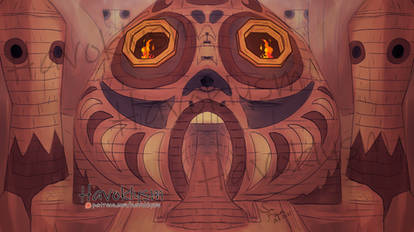
The heart of the land of the dead, where belief in your friends might be the only way to conquer it. “It all happened after somebody thrust open the doors of that Stone Tower” the place where the curse placed upon Ikana was born. When Link entered Termina the entire world flipped upside down, now on his final, literal stage of enlightenment he gains the power to put his world back in place.
Temple music never was this catchy.
Finally, after acquiring an state of emptiness which gains us entrance to the heavens, we reach the structure which has loomed large over the entire adventure, being a common sight from anywhere in the world alongside the moon itself, curiously looking on the horizon like three enormous cacti. What could be its purpose? The game still manages to retain and even augment its mystery; yet, since the entire motif of the Ikana region is death, it’s not surprising that the temple found here is a cluster of towers full of grottoes that were piled onto each other with the hopes that their spirits could reach heaven.
The Stone Tower Temple, whose original Japanese meaning is Rock Building Temple, seems to have its base at the deepest layer of the earth, with a void that indicates that humans might not even be responsible for starting this enterprise. Link will need the help of three of such death spirits to reach the summit, where the vestiges of a primordial civilization will be found. This dungeon is even more mysterious than the rest of Ikana kingdom, and it appears as if it is not related to the royal family of Ikana, being feared by the king and the other roaming spirits as a source of darkness and the reason the souls of the dead cannot rest; presumably the most ancient building in all of Ikana made by a civilization predating everyone else…or perhaps coming from hell itself.
Diyu, or ‘earth prison’ is the realm of the dead or “hell” in Chinese mythology. It is loosely based on a combination of the Buddhist concept of Naraka, traditional Chinese beliefs about the afterlife, and a variety of popular expansions and reinterpretations of these two traditions. Diyu is typically depicted as a subterranean maze with various levels and chambers, to which souls are taken after death to atone for the sins they committed when they were alive. Chinese legends usually speak of the “Eighteen Levels of Hell” Perhaps the stone tower we see in the land of Termina began as a means for spirits or demons to reach heaven. It might go all the way down to Diyu or Ikana itself could be seen as being in this state.
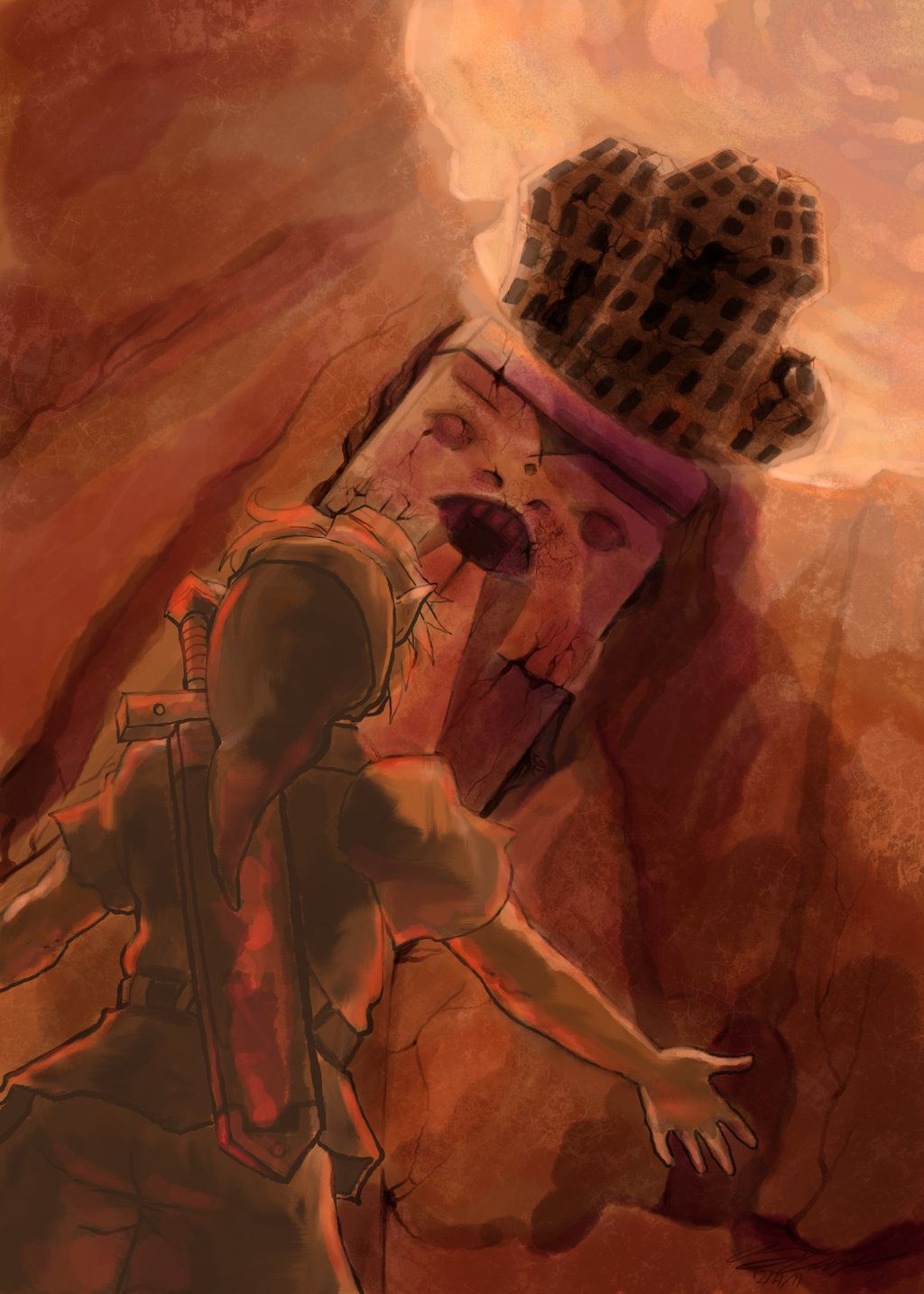
A structure as tall as the giants that protect the land themselves. With the help of the souls Link has collected throughout his adventure, he will be able to conquer the impenetrable stronghold of the people who managed to open the gates to heaven, reach the light on his final stage of enlightenment, fight against death itself and why not, even become an equal to the protector gods by way of a mysterious mask found within this temple. Like the desert Spirit Temple from Ocarina of Time, this one is also two dungeons for the prize of one.
Still, the temple does not begin right away. It has a hazardous climb. Link must employ the sacred music from Ikana in order to create snapshots of souls all over the tower; the price that has to be paid. At the very top, we find that, unexpectedly, this temple has an open, clear celling, looking directly at the heavens. It is strangely calm and comforting for a final dungeon, just another little dose of uncanny delivered to us by Majora’s Mask, a game that, as we are about to see, does not shy away from ethereal, calming climaxes. The dungeon is specifically designed so that only an Hylian, a Deku, a Goron and a Zora woking together will be able to reach its end, not before a literal twist. Its atmosphere contrast with what was expected of Ikana; we were expecting Shadow Temple 2.0, instead we get this soothing palace up in the clouds, the remnants of people who truly knew the heavens and the path to them, perhaps the original Astral Observatory from Termina, from a time when astronomy and astrology were joined by the hip. And probably the place where the adoration to the sun and the moon was born in Termina, the ground zero for them being able to gain control over time itself. Alas, the central room of the temple is probably nothing but the very first clock in this land of clocks; a giant sundial. In short, its design, layout, and atmosphere has been built to augment and do homage to the sky.
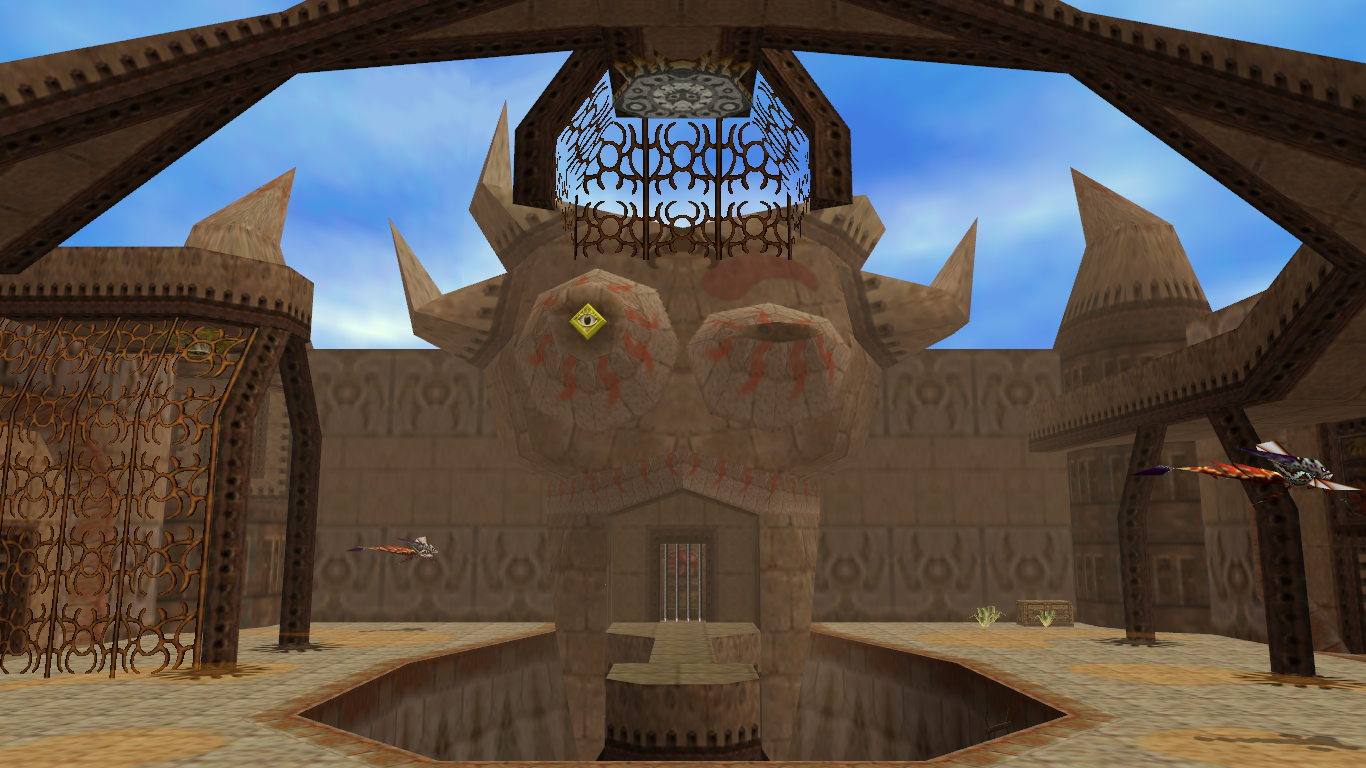
Only with the light, will the young hero be able to find his way to the heavens at the moment he shoots the emblem outside the dungeon signaling the enlightening of the third eye, achievement one can only do after internalizing emptiness. The only mystery left is why would this observation tower be considered a source of darkness? Could it have a relation with the evil mask of Majora, the source of all bad that is happening in Termina? What role do the mysterious Garo ninja warriors play in all this? Why is the triforce symbol in some of the statues in Stone Tower Temple? Could this be what the people who built the tower were trying to reach, seeing how Hyrule is known as heaven in the lore of Termina? The game leaves the questions open and all that archeologists can do is speculate.
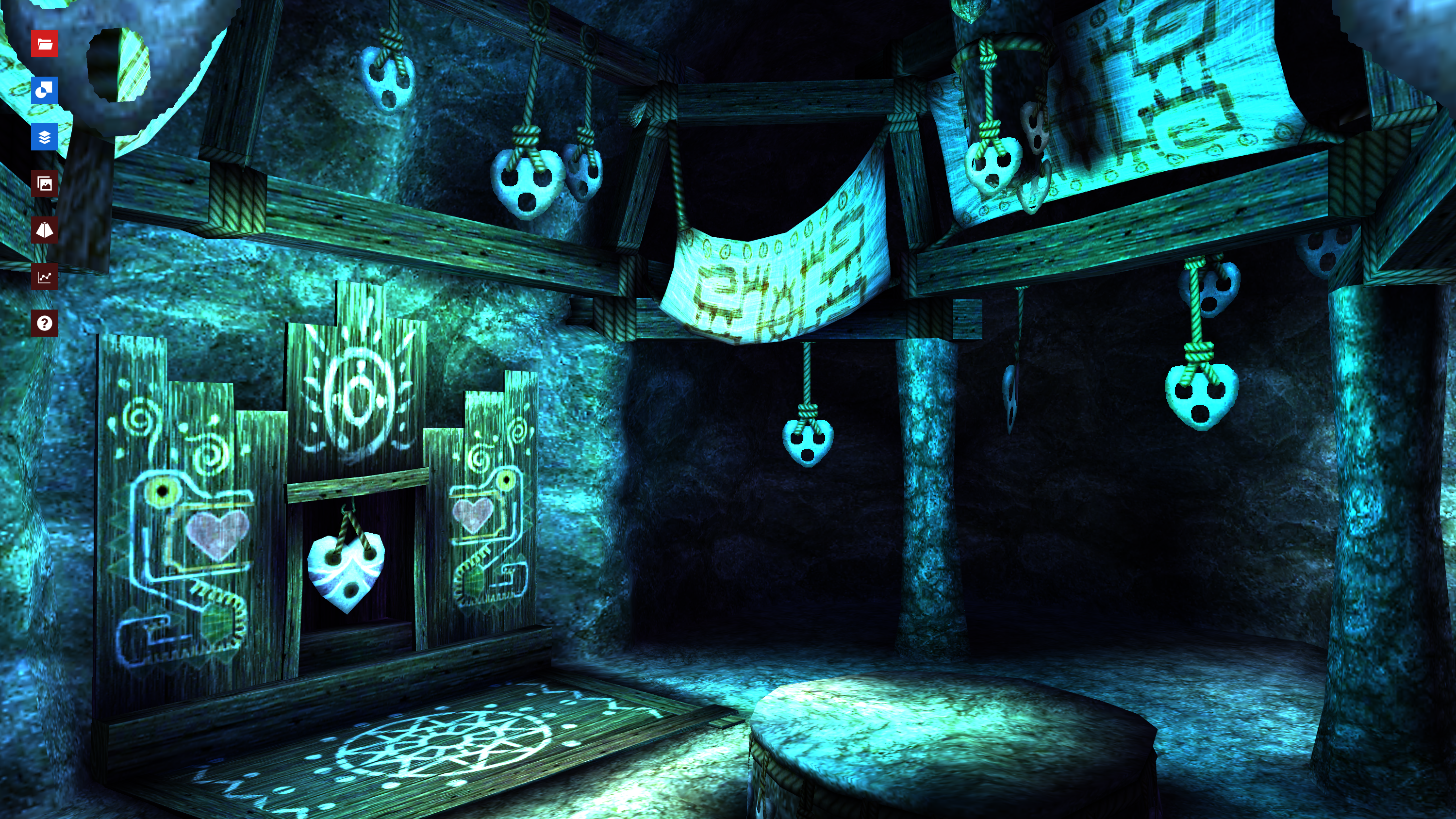
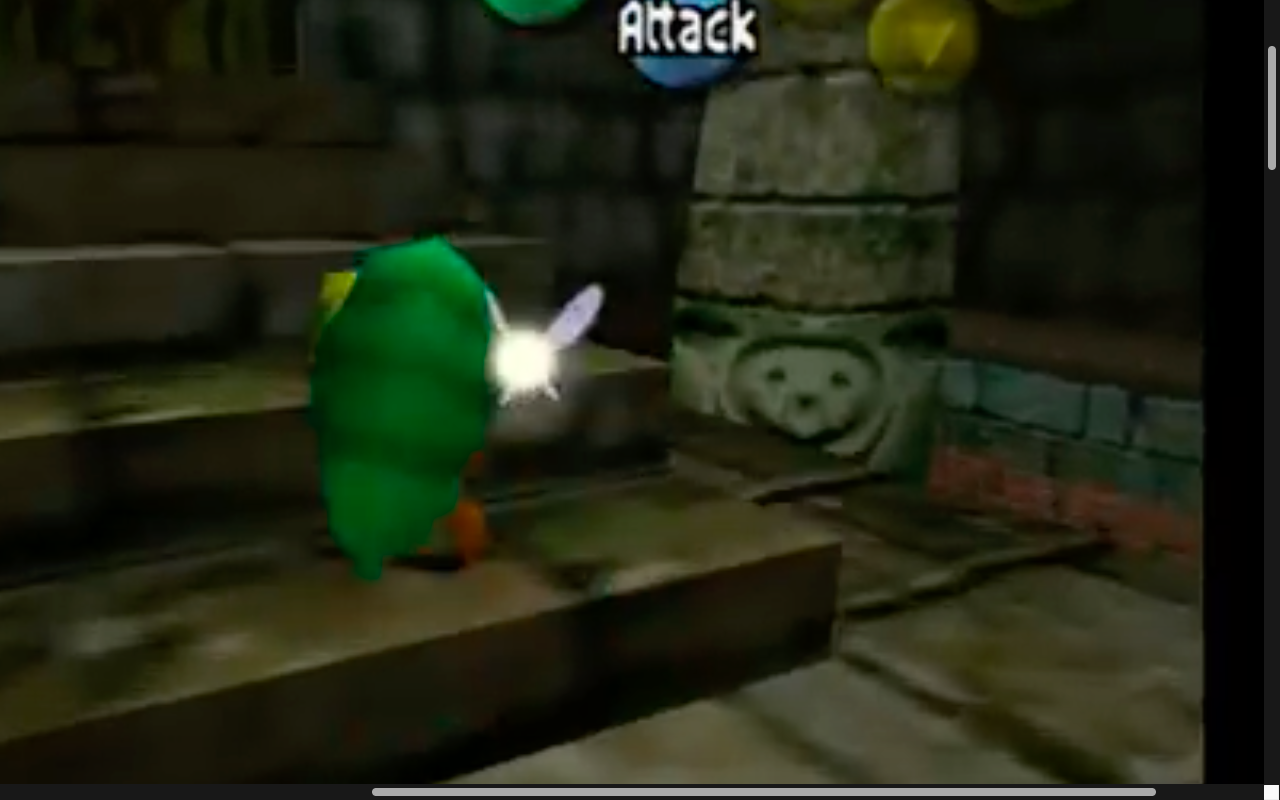
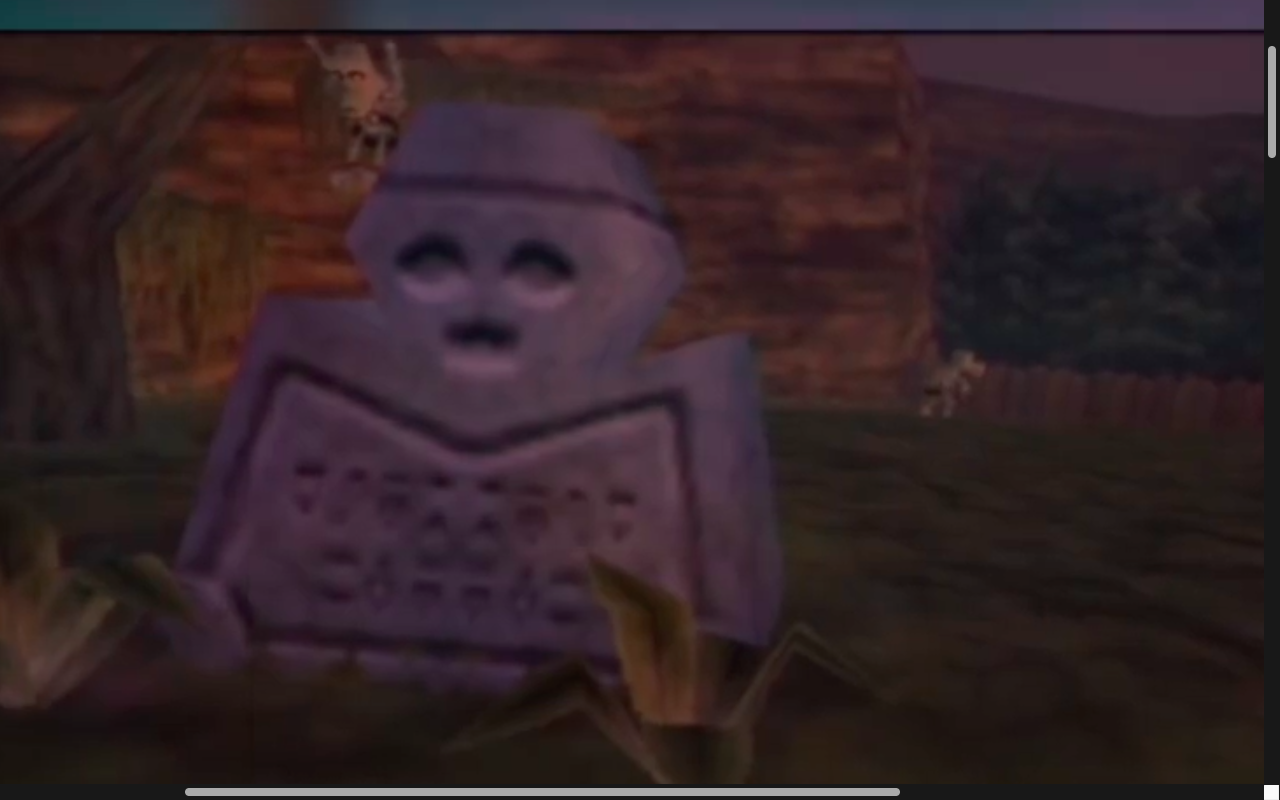
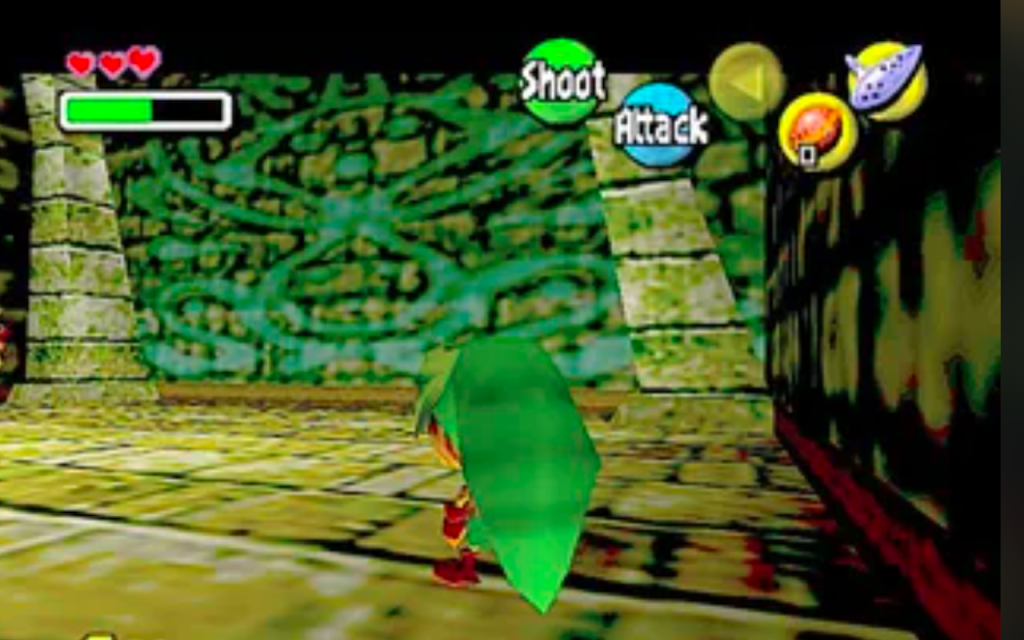
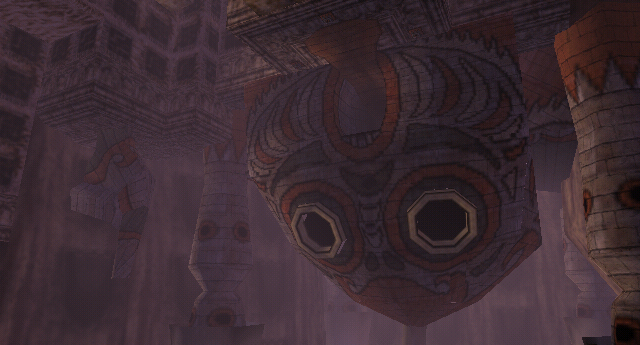
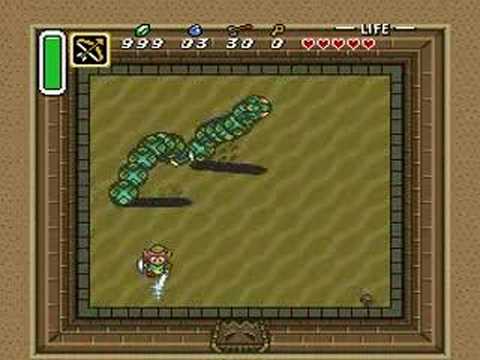
It is a light themed stronghold that is analogous to the desert dungeon from Ocarina of Time, the Spirit Temple, which also contained the themes of duality and death; it’s just that we are away from Egyptian influences. Nevertheless, they both share being desert dungeons, having a light motif, requiring to enter the dungeon multiple times, twin bosses, having a different kind of symmetry than the Spirit Temple and why not, a standout soundtrack to accompany the quest, full of mystery and memorable melodies. The Stone Tower Temple also shares some of its design elements and the same influences with the Desert Palace from A Link to the Past, seeing as how the two dungeons are located in similar environments, have near-identical bosses, are full of those one-eyed enemy statues and share architectural features like entrances disguised as the mouths of giant statues.
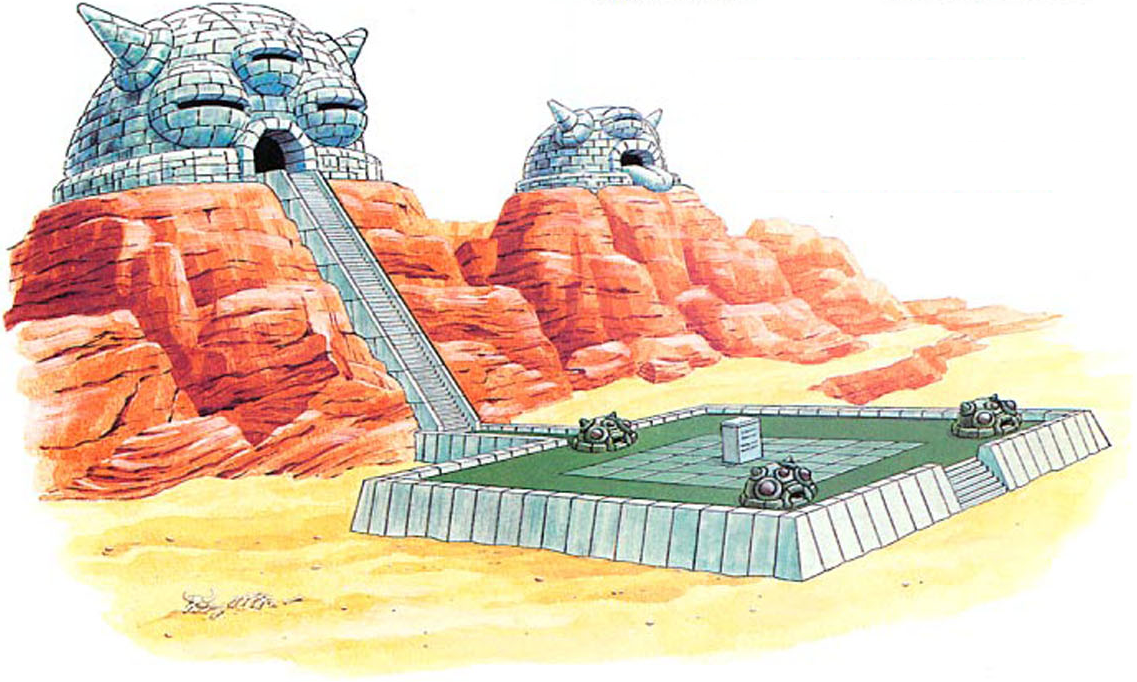
Since the land of Ikana has influences from ancient China and the Chinese deserts to the north, it comes not as a surprise that the temple of this land is inspired by actual temples and sacred places found all across the Silk Road. Just like the Stone Tower is a melting pot of puzzles for all the cultures of Termina, so it was the Silk Road for all the cultures of the world, an interweave of trade and customs with extraordinary cross-fertilization of cultures and religions that occurred, the point where the West and the East collided. It is also at the northwest of China where Buddhism alongside the concepts of karma and rebirth make their way into the Far East lands. As proof of this, till this day, numerous caves carved into stone telling the history are still found all across the Chinese deserts, the most famous ones being located at Dunhuang and Xinjiang, bordering the countries of Russia, Mongolia, India and including the Middle East at the same time. In short, everyone was there, so the temples and shrines found on the desert have influence from everyone and a large number of ethnic groups live and have lived on the region.
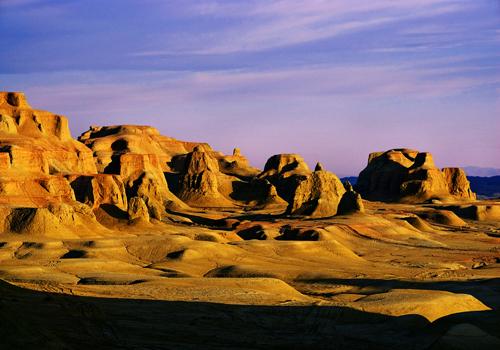
In fact, both the Gobi Desert and the Taklamakan desert, like many inhospitable places, are known as sites where death roams, not only because you might die crossing them but also in a supernatural way. In particular, the ferocious Taklamakan desert, one of the largest sandy deserts in the world and the harshest on earth, is known by the Chinese as the desert of death or the place of no return. Its unknown depths are said to be haunted by demons and spirits, and legend has it that ancient cities filled with treasure lie lost and buried beneath its dunes. This is mostly due to its environment playing visual and aural tricks on travelers, some claiming the strong winds of the desert truly moan like spectres or spirits in pain and the dunes form unnatural looking structures; there is even a place named Moguicheng or “Demon City” where screaming and shouting sounds can be heard at night when wild wind passes through the earth mounds with sands and stones.
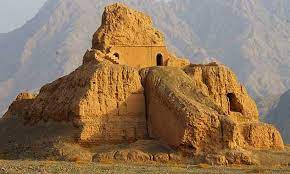
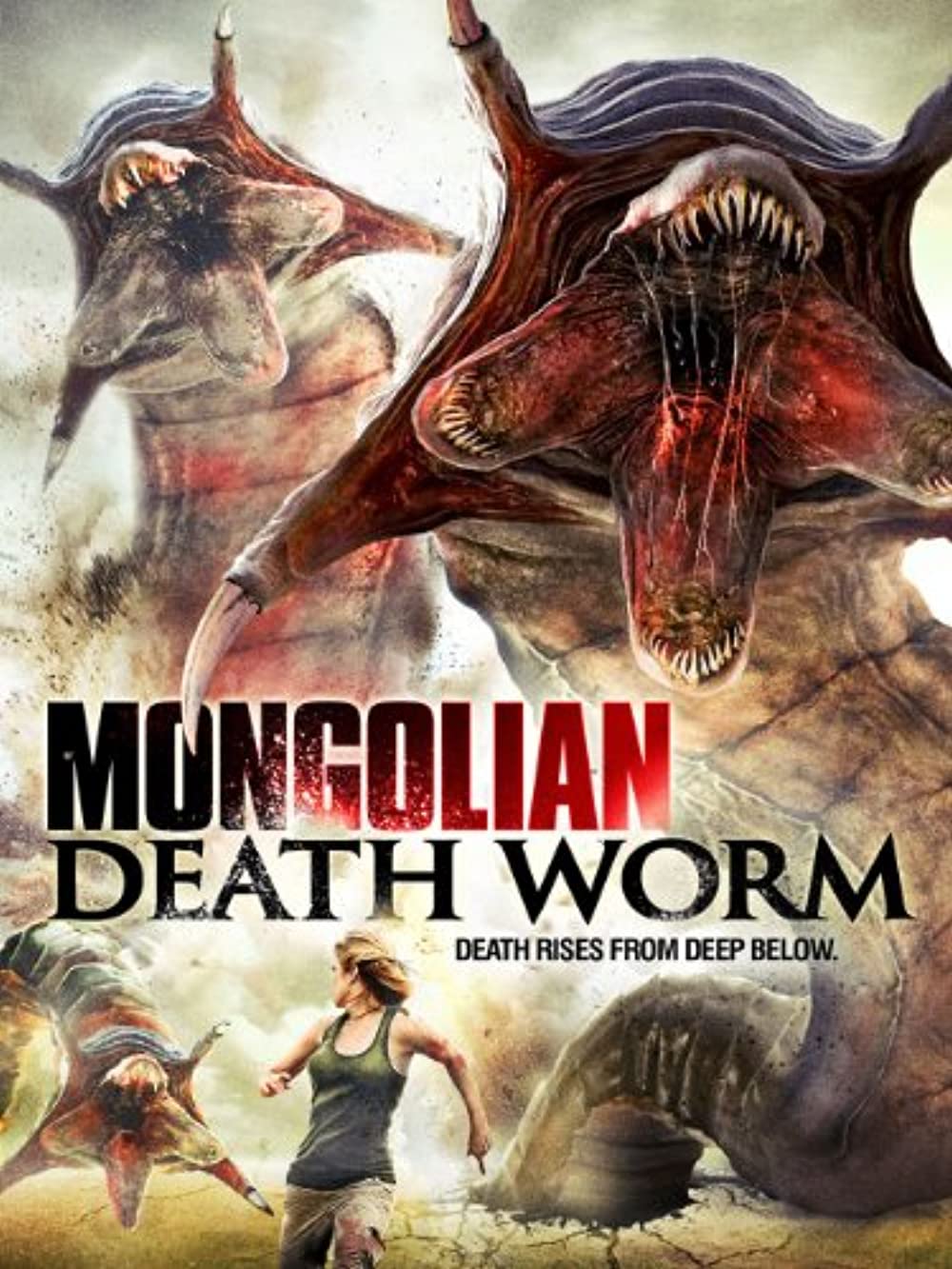
There was once a kingdom here, deep in the deserts of China’s far west. For many years it was a proud and mighty kingdom, famous for its music and its temples; the kingdom of Kucha suddenly and mysteriously vanished. The ikana kingdom might have some inspiration from Kucha among other lost kingdoms of China. The Garo masked warriors certainly come from these cultures, either referencing invaders from Mongolia or other desert dwellers of the Middle East with Turkish influences, including the Ottoman empire. Here, Link even ends up fighting with the legendary Mongolian death worm said to live in the deserts of central Asia, a creature known as a decomposer who eats dead things.
There are multiple Buddhist grottoes known as the ‘Caves of the Thousand Buddhas’ famous all across Asia for their beauty and mystery. They tell the history of Asia in pictorial form with murals decorated in colors and showing the influence of various religious ideas and the evolution of Buddhist thought. The Stone Tower Temple finds inspiration in some of them, like the Subashi Temple, the Kizil Caves, and the more famous ones like the Yungang Grottoes, Long Men Grottoes and Mogao Caves. There are many more all over the desert; they are the origin of Buddhism in China.
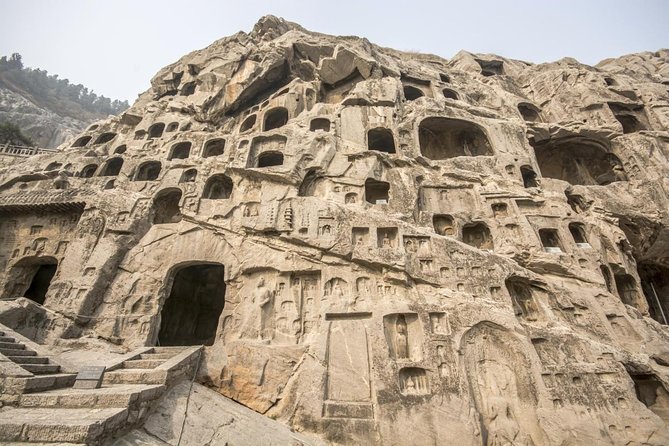
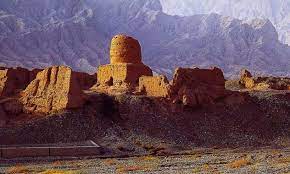
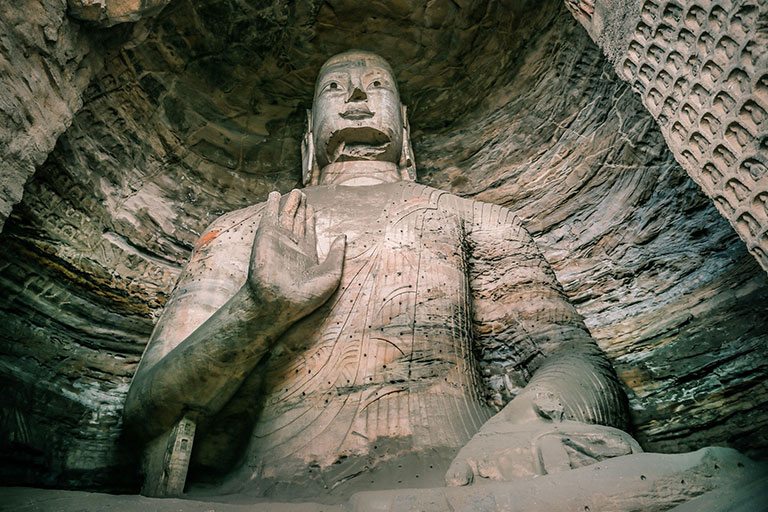
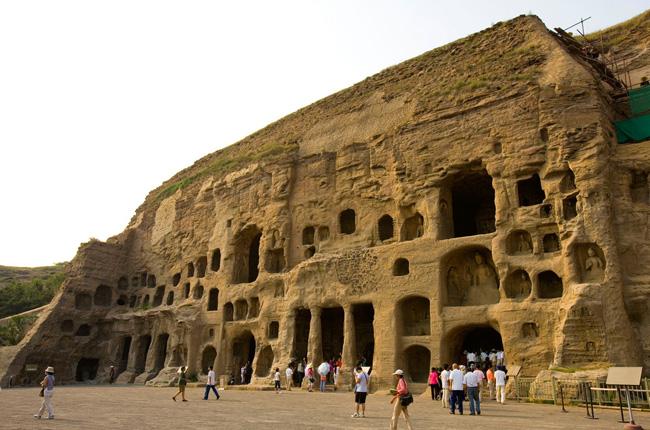
These are all famous for their stonemasonry, with more than 2,300 caves and niches carved into the steep limestone cliffs of Mt. Longmen and Mt. Xiang. Stone carving directly into the mountains was the best method for structures to survive for millennia in the harsh environments of the desert—except that a lot of them were looted.
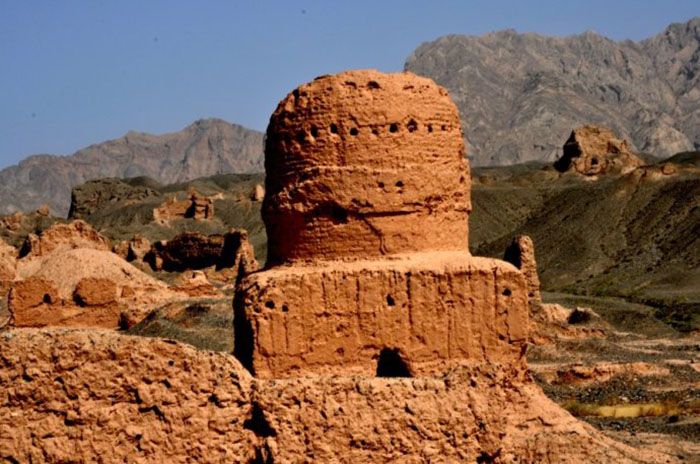
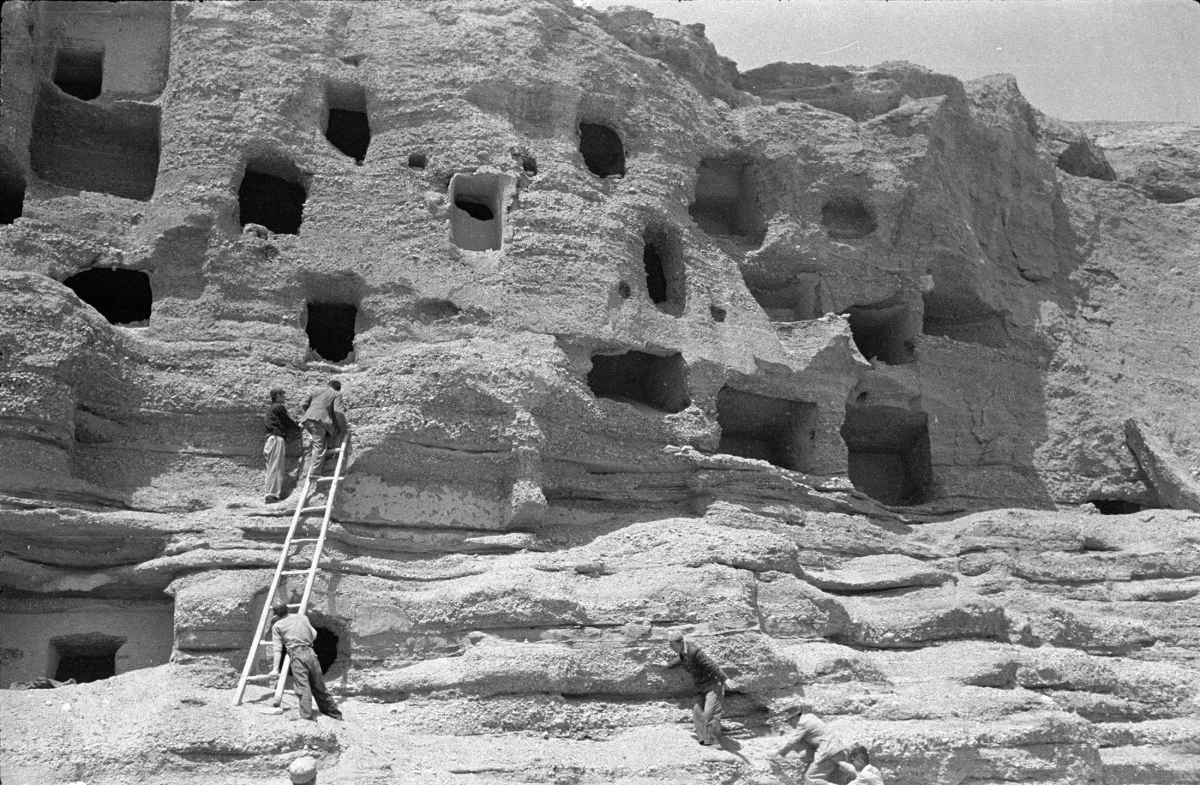
They all end up with similar features.
The melting pot of influences on these places can be seen in all kinds of different statues that differ from the typical Buddhist meditation position. Coincidentally for our light themed dungeon, the first explorers of these caves devised a system of mirrors and cloth screens that bounced light along the corridors of the caves to illuminate the paintings and sculptures.
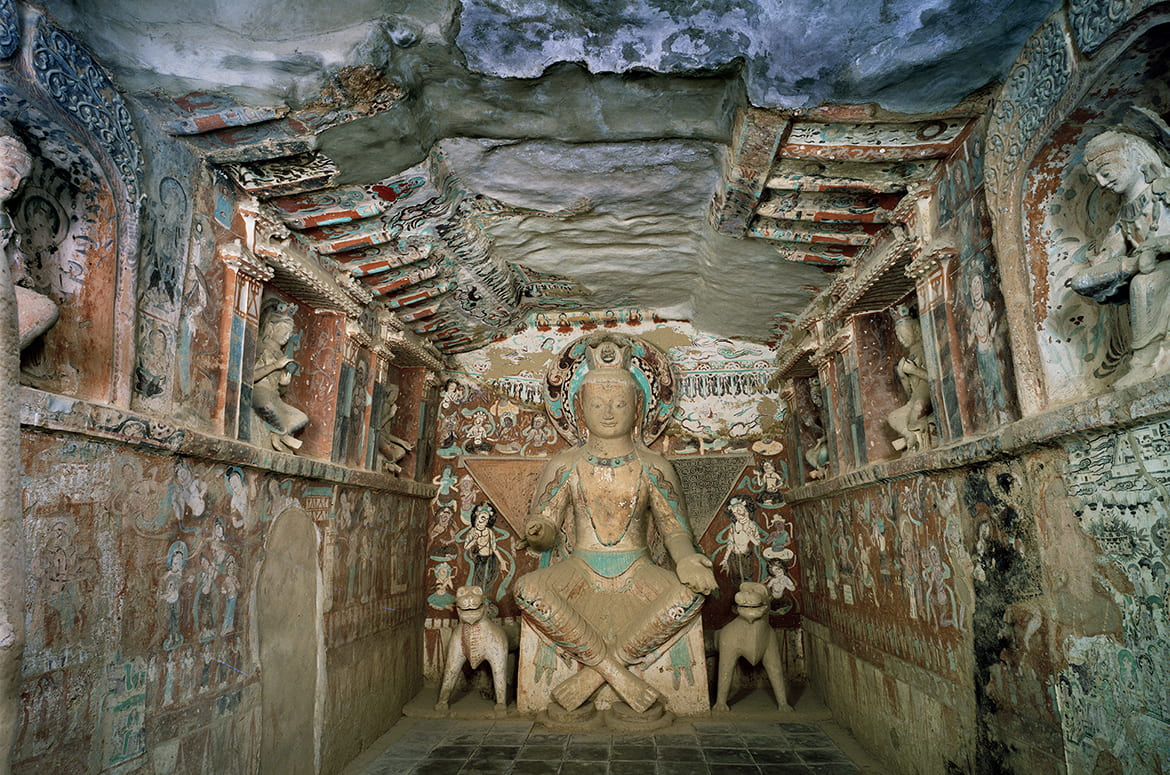
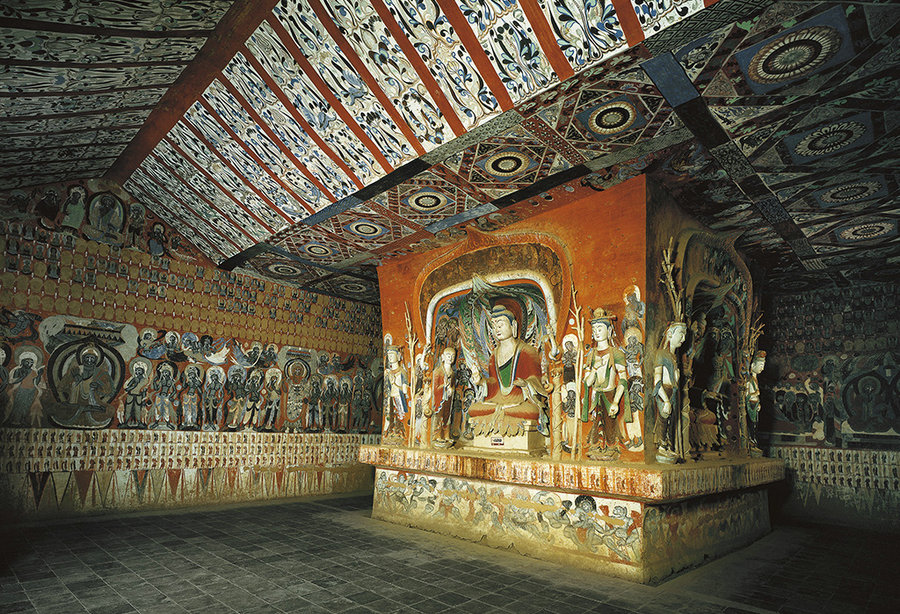
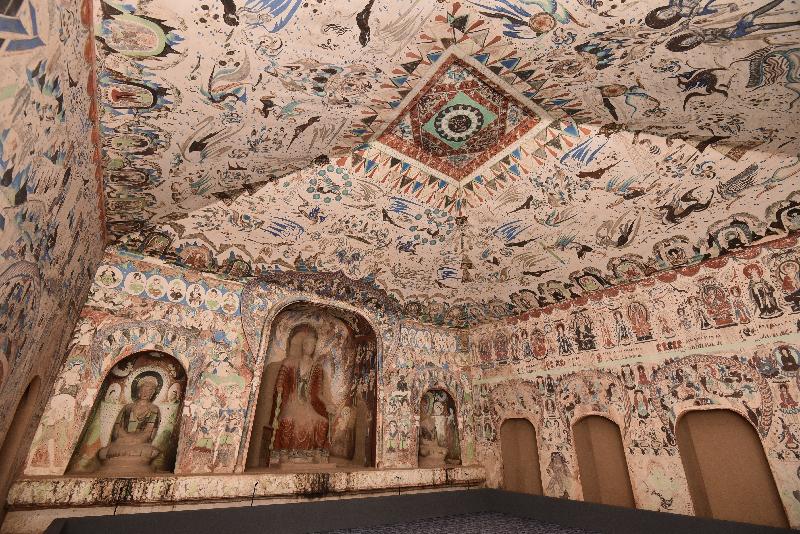
These grottoes, like the Mogao Caves, where regarded as the place of entrance to the pure land paradise. So they were also interlaid with the place of entrance to heaven. Here is a short video introduction to the history of these places: Mogao Caves
So it’s fitting that the temple from the land of the death are three full blown towers composed of grottoes.
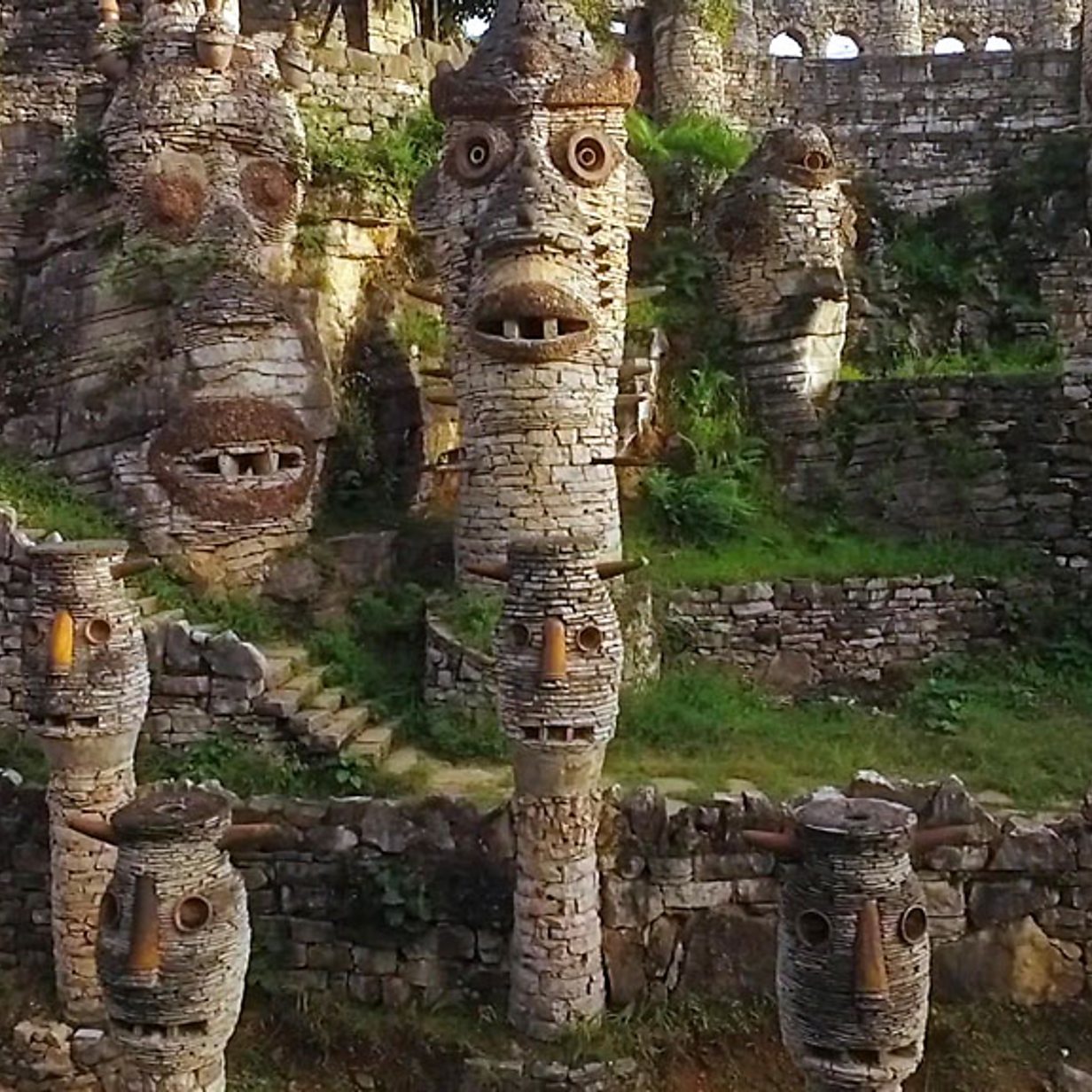
As previously stated, other places with similar features to those of Ikana are the Nuo influenced temples of the Yelang people, a kingdom infamous for its allegedly arrogance, giving rise to the popular Chinese idiom “Yelang thinks too highly of itself” The Nuo people are also famous for their spirituality attached to masks and their stonemasonry. Here is what the kingdom might have looked like in the past: Yelang Buildings
But let’s not forget that this dungeon also has a dualistic concept just like the Spirit Temple from Ocarina of Time, and Link must use the light he acquires here to oppose some evil creatures and shine the light over the darkness in order to finally get the mask of a giant, signaling him as an equal protector god in the land of Termina. Perhaps playing with the dualistic notions of Chinese spiritual beliefs, this temple has a mirror counterpart just like the yin to the yang in Taoist traditions. Some of its creatures present some clues about the infernal state of the temple.
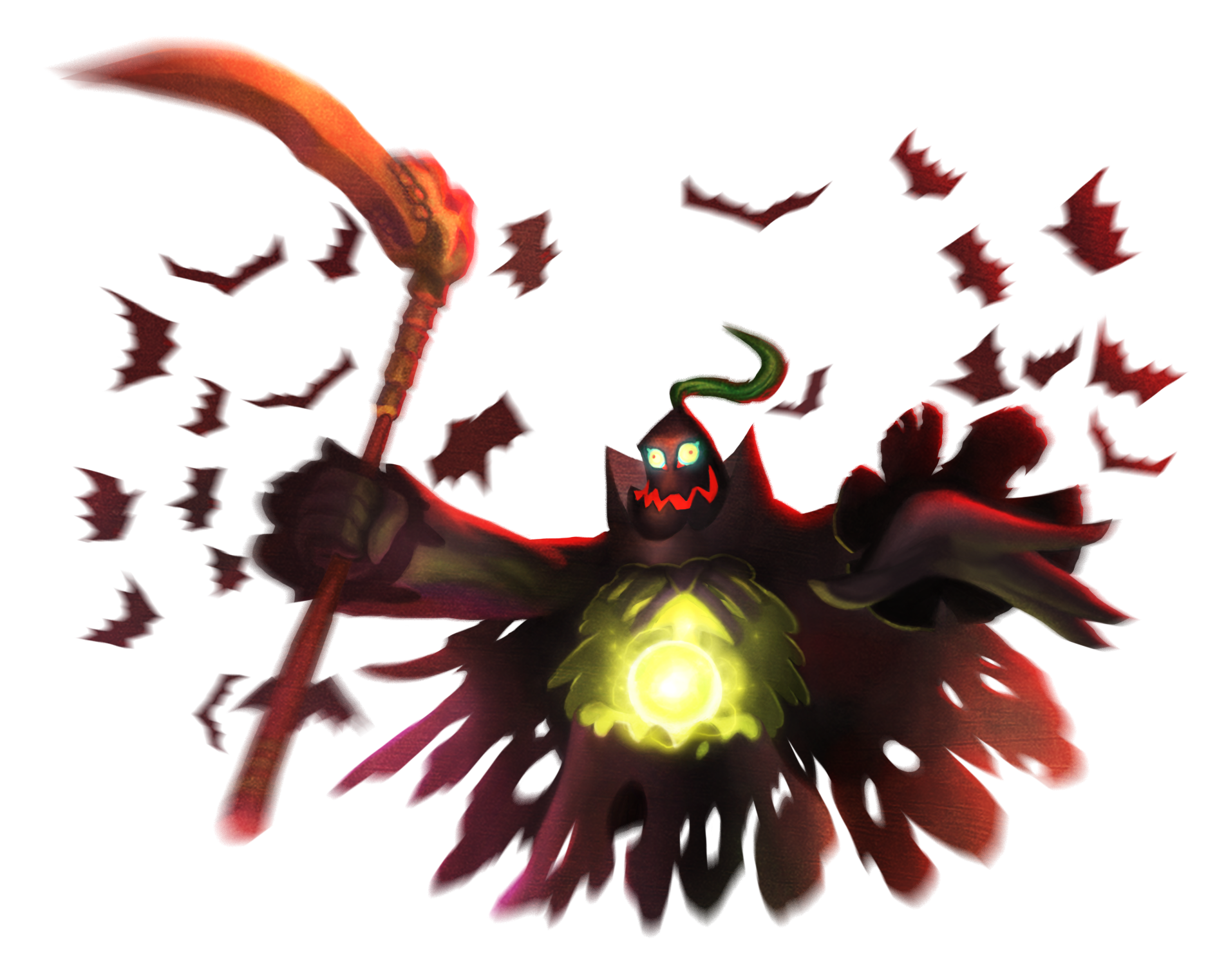

Only Link along with his spiritual companions can pass this trial that will put to the test everything that came before. Koji Kondo has its own test of trying to combine the various different options he had to musicalize such a multiculturally rich palette of influences and come in the other side with a cohesive melodic composition.
Music Analysis
Structure: Section 0 / Section 1 / Section 2 / Section 3 / Section 4
Time Signature: 4/4
Tempo: 100
Melodic and Harmonic Profiles: A Phrygian (Harmony); A Aeolian/Minor
The music from Stone Tower Temple is in itself a melting pot of influences, bringing the Phrygian elements from the Middle East present in the harmony to clash into an uncharacteristically melodic dungeon tune with elements of Chinese, Turkish or even a Russian flavor. Closest thing in the real world to this amount of cross fertilization of musical ideas are the sounds belonging to the Uyghur people, located in the lands across the Silk Road and the successors to what used to be the kingdom of Kucha. The Uyghurs are recognized by the Chinese government as the titular people of Xinjiang; they are the people from the Chinese deserts. They are Turkic speaking people whose culture has elements from both China and Middle Eastern nations. Their central location, causing them having to deal with the Chinese, Mongols, Tibetans, Russians, Indians and Middle Easterners, is something that would not only stick with their culture but also their music—this is the real deal when it comes to multiculturalism.
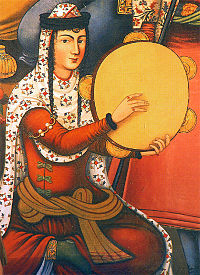
Muqam is the classical musical style of the Uyghur people, descended from the Arabic maqamat modal system. These complex compositions vary wildly between suites in the same muqam and are built on a seven-note scale. Instruments typically include dap (a frame drum), hammered dulcimers, fiddles and lutes; performers have some space for personal embellishments, especially in the percussion. However, there is much variation on the number and kind of instruments used in the performance of a muqam. Perhaps Koji Kondo was influenced by the music or the idea behind this music when composing the theme for Stone Tower Temple, putting Link’s ocarina at the forefront, fitting for the very last dungeon conquered by the hero of time. After all, the Uyghur are also known for their happy, bouncy melodies plastered on top of Middle Eastern accompaniment, a true bridge between Western and Oriental musical scales, with a single pieces going from the Chinese pentatonic scales to Western-like heptatonic scales and into characteristic intervals of Middle Eastern scales in short spans of time.
Here are some examples where the middle eastern influences can be heard among the Chinese people:
A folk song on the Chinese side but still retaining some Middle Eastern influences
The lines are so blurred out that it would be difficult to pln the differences between Uyghur music and the people of the Middle East and Arab countries. It is said that the music from the ancient kingdom of Kucha still lives in the music of the Uyghur people.
The music from these desert regions has emphasis on plucked strings and the yangqin, the dulcimer from China.
Koji Kondo takes some of these influences to craft a true original track that is as strangely calming and mysterious as the dungeon it belongs to. The happy rhythms of the bassoon contrast heavily with the ominous choirs meant to be voices of gods or demons.
The theme begins with the characteristic wind sound first heard on the Ice Cavern and then on the Fire Temple; turns out it is also appropriate for a tall tower with an open celling. It even has a similar pattern to the one used on the Snowhead region, meant to be random with how the air sounds at different heights, something to do with temperature, pressure or who knows; a wind expert should be able to confirm.
Then we get the tambourines playing a similar pattern to also that of the Fire Temple marimbas, feeling more like drums than a tambourine; the Fire Temple vibe is alive thanks to the perfect fifth between the two main percussion notes. They can be though of representing the giant tambourines from the Middle East known as daf. Like on the Persian influenced Fire Temple, it gives a ritualistic felling right away and the Middle Eastern connotation that was present on said dungeon.
The daf found its way from Persia to China by way of the Silk Road.
The trance inducing ostinatos by the strings and choirs doubling the upper note sing with the discipline of trained monks, a call and response tune that gives weight to the temple, just so that the happy melody Kondo is about to write on top doesn’t end up as lighthearted as it would be by itself or with just the bouncy accompaniment of the bassoon. The Phrygian accompaniment also ends up tying all the desert lands of the N64 Zelda games and further introducing cohesiveness between the Ikana Castle and the Stone Tower Temple. These Phrygian, serious ostinatos clash against the bassoon playing perfect fifths in a happy-go-lucky way, creating the uncanny valley for music, an accompaniment that would fit perfectly with the Koume and Kotake Theme, the two amusing witches closer to the Garo than to the Gerudo.
For the first and only time, we get the ocarina of time as the lead instrument for a dungeon, not only signifying the courage shown by the young hero but also harmonizing with itself, perhaps a reference to the Elegy of Emptiness used to conquer the dungeon by means of creating duplicates or the overall dualistic vibe of the temple. The woodwinds do everything in perfect fifths, going against the perfect fourths found within Ikana Castle; perhaps this stronghold really could belong to the enemies of Ikana. Contrasting with the choir and strings, the melodic material doesn’t use the flattened B note, fulfilling the promise of cultures colliding; it is a natural minor scale played on top of a Phrygian ostinato. There are only two melody phrases with well defined question-answer blocks, with answer lines usually falling on the tonic A. Phrase 2 of the melody has the stronger ties to Turkish or Russian folk melodies, specially the very end of the phrase played by the ocarina.
The melody doesn’t end there though; we are left with the piccolo playing a solitary line. It’s curious to speculate why would Kondo opt for not playing this very last line with the same ocarina that played the rest of the piece; simplest answer would be for variation, more interesting thoughts could point to it preparing the cue for its inverted version or signaling the moment Link has finally grown up, changing the childish connotations of the ocarina for the accomplished connotations of a professional flute player. Ultimately, the hero is completely alone, his companions all dead. As the game prologue pointed out, this is indeed a personal journey. Koji even did the same on the Kakariko Village cues back in Ocarina of Time after all, changing between ocarina in the child era to woodwinds in the adult world. The dulcimer only appears on this to double the melody for a short segment.
The orchestral woodwinds will go on to have a more prominent role in the next cue, because the Stone Tower Temple is the real deal when it comes to duality. The puny Gerudo only made their Spirit Temple a conceptual duality, but the crazy folks of Termina actually managed to achieve it literally, in an unexpected twist that will provide us with not just one but two dungeon cues for the same place. How do you musicalize the upside down version of a location? We will have to learn from Kondo with how he dealt with it.
Stone Tower Temple Inverted
Structure: Section 0 / Section 1 / Section 2 / Section 3 / Section 4
Time Signature: 4/4
Tempo: 100
Melodic and Harmonic Profiles: A Phrygian (Harmony); A Aeolian/Minor
The literal counterpart to the Stone Tower Temple cue for obvious reasons. In one of the most truly wonderful, striking and intensely confusing moments of this story, the temple is rearranged, so that “the earth is born in the heavens and the moon is born on the earth” Link will experience what is like to fall into the heavens. Really, who built this temple? Were they even human? What is certain is that when the tower is inverted, the symbol of the triforce becomes visible on the stones outside the temple, this is further eluding to Hyrule being thought as heaven in the land of Termina.
This all gives Stone Tower Temple a second, unexpected life, creating innovative puzzles and cementing it as the dual counterpart to the Spirit Temple, which you also had to enter two times in different contexts (yet, the music on that temple never changed, Kondo just focused on making a very memorable and long intro to avoid fatigue). Now what is left is fight those two giant death worms and the final stage of enlightenment will be completed; Link will be able to cross into his own pure land paradise.
So what does Koji Kondo do for the inverted Stone Tower Temple cue? The same trick he used with the Saria’s Song motif, inverting it to create the Song of Healing? Not quite that. The melodies are not inverted; it’s more of a conceptual inversion of timbres—plus a weird dizzy sample for obvious connotations— Not even the duality of the Spirit Temple received this treatment.
Without the ocarina as the main instrument, the dulcimer now sounds more authentic to the music style. It could even be thought of perhaps as a plucked string instrument in the way it plays a lot more of double stops, maybe one of the Turkish lutes from Persian origin like the tembor.
Here is the song at its more folkloric by removing all of its supernatural elements:
The wind sound has the same pattern; however, it is less strong than on the original. It’s not surprising than the sonics of wind in a world upside down would be different. We are at the bottom now and sound is louder at higher attitudes or so this paragraph not apt for musicians says: “This is because as the temperature goes down the sound waves have a tendency to refract more and they are usually refracted towards the ground. Further, the intensity of the sound will be higher. For instance, the sound will be usually louder at night when the temperature goes down and the air is cold as there is a change in the direction of sound refraction. Besides, the sound is able to travel farther in cold air or chilly weather” Look, what is important is that it sounds different. and we know high attitudes sounds louder.
The percussion is indeed inverted, not only playing a contrary pattern by descending (two high strokes, one bass stroke) but introducing the tap articulation a little later, analogous to the entrance of the pandeiro second hit in the previous theme. The exact same rhythm profile, different notes in a contrary pattern.
The strange sample comes from the aptly named Distorted Reality sound library, and it’s indeed the poster child of the collection, a glassy reversed tone with some granular degradation to create truly an otherworldly sound; we are at a very bizarre moment in the game. The sample is called ‘Elves’ most likely as a reference to these magical creatures and their powers. It plays three times on the track and Kondo moves it across the stereo spectrum; pattern is random, first ones closer together and the last one towards the middle of the track.
The Phrygian ostinato remains intact, the low strings are replaced by higher pitched fiddles and the male choir for the goddesses choir; we are closer to Hyrule now. It is just a simple timbre overhaul from low to high, from the male yang to the female yin. The fiddle is also a string sound more different than the traditional orchestral strings, making the contrast more apparent. The bassoon riff is replaced here by the acoustic guitar of Mikau because reasons (perhaps meant to be just another string lute from the northwestern desert regions).
The ocarina of time is the very last thing we hear, signaling that ultimately, this is Link’s own personal journey and he is all alone by himself or it is used once again to connect it to the original theme like a cycle—perhaps the use of the piccolo in the normal version was precisely for it to be replaced by the ocarina on the final iteration of the cue; even then, it doesn’t hurt to mention that the Chinese also have their own version of the ocarina instrument called the xun and that it has been in use for approximately seven thousand years. In other news, the oboe takes now the place that used to be for the dulcimer.
The four cardinal directions are conquered, now the five guardian spirits from south, north, west, east and center will have to join forces for the chance to avert the destruction of the land, the pure land Link has saved and rebuilt. However, we got two souls still with a heavy burden that we need to take care of, they are a couple involved in one of the first promises Link made back in Clock Town; and a member of the Bombers Secret Society never shies away from promises no matter how much one has to go out of their way. Their mask will be needed in order to conquer Majora easily. In an intricate quest spanning multiple locations, characters and time periods, Link will be able to, at the very last minute before the dawn of the tragedy, witness what true love looks like. Thus Koji Kondo proceeds to write the theme for long overdue reunions.
Some samples used on this track:
- Distorted Glass Harp: Partition A – PIXIES – ELVES from the library Spectrasonics Distorted Reality
- Wind Moan: Wind Low Eerie Wind Moan from the library Sound Ideas Warner Bros SFX
Help to keep the rites going around here by supporting the shrine:

Media Files, requests and support for more interactive content

Thou shall donate since this is a cult and you are now a sheep

Help staying awake analyzing game tracks and writing posts or else everything will end up being written by A.I
- Inside The Score – The Legend of Zeda: A Link to the Past – End Credits / Staff Roll
 The land rests As the last few minutes of this extensive journey that has now come to an end fly by, the nostalgia and reflective mood kicks in. Because such a massive enterprise as a Zelda game or a Lord of the Rings movie require multiple endings to convey everything… Read More »Inside The Score – The Legend of Zeda: A Link to the Past – End Credits / Staff Roll
 - Inside The Score – The Legend of Zelda: A Link to the Past – Ending / Epilogue ~ Beautiful HyruleFinal of the fantasy The Triforce has been touched. A wish has been granted. For the occasion, the newly undeceased king of Hyrule has commissioned a march in honor of the legendary hero to the Hylian Sousa, who might as well be composer Nobuo Uematsu since this piece is very… Read More »Inside The Score – The Legend of Zelda: A Link to the Past – Ending / Epilogue ~ Beautiful Hyrule
- Inside The Score – The Legend of Zelda: A Link to the Past – Triforce Chamber / Power of the GodsTake your boots off your feet And thus the Triforce spoke to men. And it became present in history. And you better treasure and contemplate this moment seldom witnessed in the course of the series. The elusive opportunity to interact and touch the most important artifact. You are now in… Read More »Inside The Score – The Legend of Zelda: A Link to the Past – Triforce Chamber / Power of the Gods
- Inside The Score – The Legend of Zelda: A Link to the Past – Ganon Battle / Prince of DarknessProgressive evil En Garde! And you better be prepared since you are about to duel the iconic enemy of the series at perhaps his canonically most powerful incarnation. Right after having touched the sacred Triforce which allowed him to conquer all of the Golden Land and whose evil and darkness… Read More »Inside The Score – The Legend of Zelda: A Link to the Past – Ganon Battle / Prince of Darkness
- Inside The Score – The Legend of Zelda: A Link to the Past – Boss Battle / Anger of the GuardiansQuick mayhem Ah, the simpler times when boss battles where not a multi epic orchestral suite but just an ostinato more basic that even what became the music for standard battle encounters out there. We are a long way from each boss having his own personalized track. And this early… Read More »Inside The Score – The Legend of Zelda: A Link to the Past – Boss Battle / Anger of the Guardians
- Inside The Score – The Legend of Zelda: A Link to the Past – Dark World Dungeon / Dungeon of ShadowsMemento mori We are getting closer to Ganondorf (or at least the wizard Agahnim who ultimately fulfills the same human side of evil role in this game) and that means getting closer to the profiles and motifs of his own theme song (which naturally was the theme of Agahnim at… Read More »Inside The Score – The Legend of Zelda: A Link to the Past – Dark World Dungeon / Dungeon of Shadows
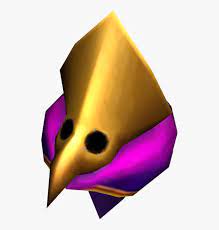
Regarding the Garo Master’s mask being meant to resemble the faces of Koume and Kotake, I think it’s more likely a case of shared inspiration. As you mention in another post, the intro percussion of Koume’s and Kotake’s theme and their outfits suggest that they share some wū inspirations with various elements of Majora’s Mask. But I think that perhaps their long, beak shaped noses, aside from being characteristic of witches, also brought to mind the birdlike features with which xiān are often depicted in taoism. This also fits their ascent to the heavens upon death. (As an aside, I speculate that the gerudo in general were given long noses as a complementary trait to the hylians’ long ears.) The Garo Master may be invoking the same imagery, hence the imperfect similarity, because the Garo in general seem to be inspired by the mystical practice of shiejie, one way in which a taoist esotericist could become a xiān by transcending the body (“to die without leaving a corpse”), which is thought to have been influenced by wū traditions.
Interesting insight and also more connections there for the witches. They really seem to have an Eastern feel about them. Or maybe they are just meat to be Romani Witches