The story of why a short, overweight, middle aged looking Italo-American blue collar worker developed by a Japanese team became a knight in shining armor
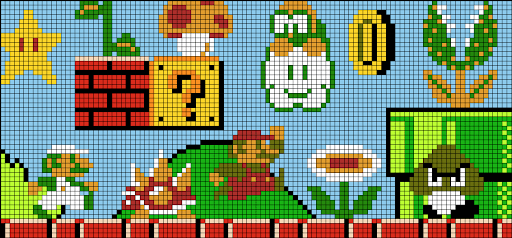
“If somewhere in your mind you have an image that Mario is cute, please get rid of it. Mario is cool!”
Koji Kondo
The world of Mario is something that would not rightfully exist in any other medium or make sense from a classic storytelling perspective. Mario is the definitive gaming icon for a reason, everything about him was pretty much born from and with gaming considerations in mind. There was no conscientious attempt at coherence in any way, shape of form other than sheer entertainment value and functional considerations. How else would an overweight, middle aged looking Italo-American plumber clad in dungarees, made in Japan have become a hero figure with the typical red/blue American hero palette and rescuing princesses from dragons like a knight in shining armor? Certainly, this was not Shigeru Miyamoto’s attempt at elucidating the struggles of an Italian immigrant in New York City or wanting to be subversive and make a hero out of a not conventionally attractive blue collar worker that relates to the everyman. No, pretty much everything was accidental or made to serve gameplay. Just take a look at the picture above or this one here and listen to the music that captures the wackiness of it all:
Even though all the elements of Mario are so omnipresent today that few question them anymore, looking at it without context and reflecting upon it shows how bizarre and out of place the thing is. Like, a man in overalls is being chased by a giant turtle-like creature, there are floating islands in the sky and walking bombs and mushrooms with eyes—a ball and chain too that acts like a dog… There are some steps that are needed to reach a character like that; let’s take a brief detour to explore a little bit of the origin of the chaos since the story is already well known.
A little less brief detour into the origins of Mario (as was said, Madness ensues).
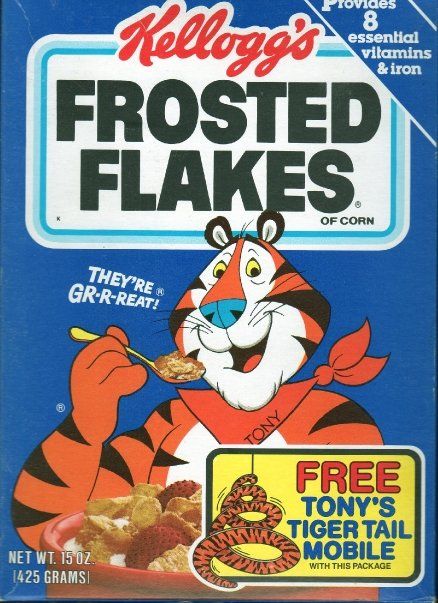
Mario was conceived and is fundamentally what is known as a mascot character, meant to be viewed as an icon representing any role needed for individual projects; just like Mickey Mouse can arbitrarily become a magician and in his next appearance forget about it, Mario can become a doctor and next time you see him he is a professional boxing referee. The fact that Mario ended up with a barely consistent world of his own in the fantasy land of the Mushroom Kingdom and a cast of recurring characters is purely accidental, the reason being the unprecedented success of the video game Super Mario Bros, which otherwise would have simply been known to posterity as the ‘Mario goes on a side scrolling magical adventure’ game before moving on to other titles and worlds; the fact that it succeeded and cemented the character meant that he got stuck for the most part with this particular world. The original vision of his creator was to put him in any game, as if he was just a performer in a talent agency. In some ways he has done exactly that, but nevertheless a lore, albeit a fragmented one, has developed.
As a mascot character, Mario, whose name and Italian heritage are also accidental and not born from any artistic intention, was meant to keep playing different roles and stories till the end of time, just like his most direct inspiration. The brief, random story goes like this: The company has a failed game cabinet in the United States that needs to be repurposed to get the attention of American audiences as soon as possible, creator Shigeru Miyamoto, a big fan of USA media who is first and foremost an industrial designer at heart, second an artist working in the art department doing mostly packages and arcade side art, proposes as his first video game to his producer and mentor Gunpei Yokoi that they should to make a Popeye game, an American comic book and animation star from the golden age who was also an unlikely not-good-looking hero at the time, playing different arbitrary roles depending on what the story required, the only constant being the love triangle between big man Bluto and damsel in distress Olive—Popeye should also be considered the first superhero with super human strength and resistance, not Superman. Miyamoto then proceeds to create the comic strip layout in video game arcade form, consisting of four panels that tell a simple plot. But like in any Miyamoto game, the narrative came much later; the design comes first since, as an industrial designer, this is a man that obsessively reflects about what makes a product work, and in the case of video games, especially arcade games, it is all about being glued to the controls for as long as possible.
So this was in reality a Popeye game whose design was inspired by the animated short ‘A Dream Walking’ where the Popeye main cast are located at a construction site and shenanigans happen.
Popeye, the Sailor – A Dream Walking
The short that inspired the original love triangle fighting at a construction site. Popeye’s spinach are also the origin of power ups in video games, being replaced by the mythical hammer (or by big pellets on Pac-Man). You see, Popeye was a very popular character in Japan. Plus, a live action film starring Robin Williams had just released.
In the game initially the character could not even jump, it was meant to be just a game about climbing ladders and the same elevators from the short in order to avoid the barrels thrown by Bluto. How did the most famous trait of Mario come about? By functional considerations: there was an extra button on the failed arcade cabinet to be replaced and they decided to make it a jump button to be less frustrating to steer clear of the barrels. As for where the idea for barrels came from, there was a discussion of why on earth there would be barrels at construction site, and so the first suggestion was to use oil drums instead. But in the end they went with barrels anyways because their “rolling” animation was easier to draw; functional consideration trumps logic once again. Bam! The whole motif of the Donkey Kong Country series being based around barrels is born on the spot too, which in turn spawned the appearance of pirate ships and other such things in the games.
Luckily for the company and the gaming community in the long run, Miyamoto was not allowed to use the Popeye license and so he basically decided to reskin the sailor, Bluto and Olive Oyl. And thus three new characters were born by serendipity. Mario is just a reskin of Popeye. The influence still lives on in the North American art for Donkey Kong, where the character is drawn very similar to the sailor (so don’t ever criticize Super Mario Bros 2 for being a reskin; it is in the plumber’s DNA). The spinach can that gives Popeye super strength were likely replaced to the hammer and so the foil for Pac-Man was born Jump-Man. Miyamoto was allowed to make his own Popeye game later.
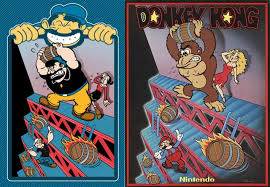
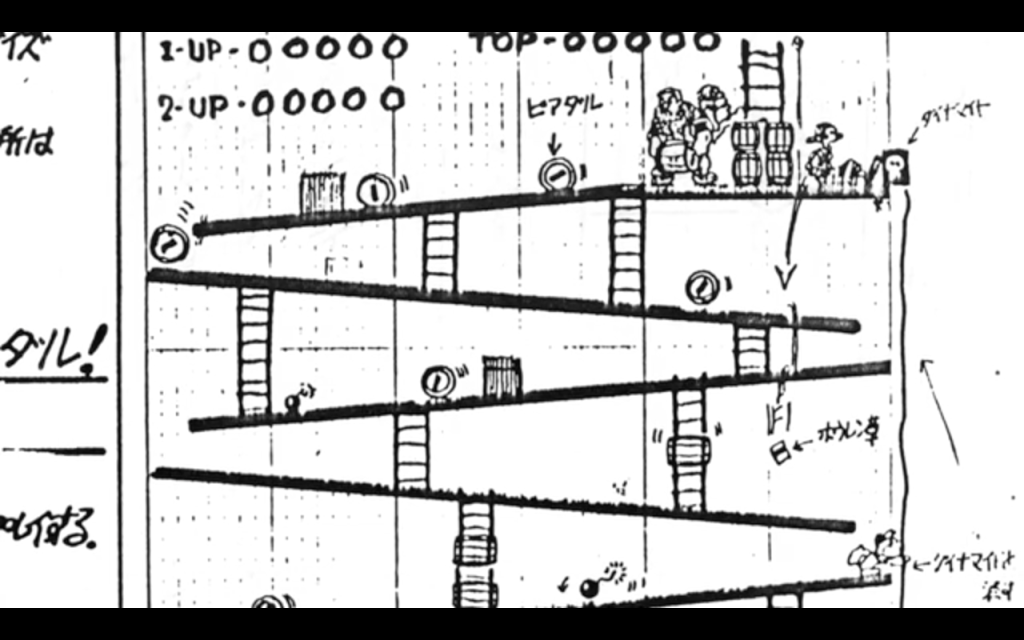
The philosophy of show, don’t tell when it comes to video game tutorials that will accompany Miyamoto for the rest of his career is also born here. As his mentor, Gunpei Yokoi taught him that the player should be nudged towards the objective in a subliminal fashion and not just with text or the manual. As Yokoi explains: If we think about Donkey Kong in these terms, we have Popeye on the bottom left of the screen and Olive and Bluto on the top. With that aside, how are we to make the player realize that he has to get Popeye to the top of the screen?First, if we were to show the player a scene in which Olive is kidnapped when they first glance at the game, they’d probably have Popeye go after her. But Mr. Miyamoto and I thought very hard about what we should do in the event that even then there were users who couldn’t tell how to move their character.So, we came up with this idea: once the player has jumped over a falling barrel that had come from above, next we’ll have a fireball appear from behind and chase after them. We figured that if chased from behind the player would climb upwards no matter what. Like this, we have attempted to explain how to play the game within the confines of the game screen. The first level of Super Mario Bros is also a masterclass of this philosophy, where the game practically forces you to pick the very first mushroom even if you think it is harmful, concepts we take for granted today but weren’t common knowledge back in the early days of platformers.
The fact that the original idea came from Popeye also helped in the Nintendo defense against a lawsuit from Universal that claimed that all these notions came from the film King Kong. Actually, in the court depositions for the suit, Gunpei Yokoi said that the reason they did not make a Popeye game is due to technical limitations, not a license. Apparently, they made a decision, based on the size and color limitations of the characters, that they could not depict Popeye well with their system.

The brief summary continues… Having reskined him, they still though of the character as a generic video game mascot or unnamed everyman that represented the player, first going by the name of Mr. Video and then Jumpman based around his definitive action; the damsel was simply known as Lady. His new design was purely based around functional considerations. Graphical limitations and the low pixel resolution of the small sprites prompted his mustache in order to omit a mouth and make that pixel character look easier to distinguish; a cap obviates the animation of hair, and colored overalls distinguish his arm movements alongside with the gloves that are commonly used by animation characters precisely so you can distinguish the hands from the arms; plus, since this game takes place on the construction site inspired by the Popeye short, that also means the overall fits this theme and so he becomes a blue collar carpenter for the time being, his first profession.
For the change of Bluto, Miyamoto probably did draw inspiration from the film King Kong and so both the plot and title of the game is a recreation of the Universal film (for which Nintendo was actually sued but it turned out that the character was in the public domain). As for the name Mario alongside with his Italian heritage, the story is widely known, the character was named by Nintendo of America staff because of the supposed resemblance between the mustachioed character and the landlord of Nintendo’s warehouses named Mario Segale or maybe just because he was on their mind at the time; in any case, a spur of the moment decision ended up naming the most successful video game franchise; combined, the name Mario and moustache starring in his own King Kong inevitably lead to the fact that the character ought to be Italo-American.
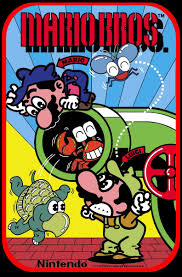
The brief summary is still going… Now, for the Mushroom Kingdom elements, they mostly come from the next game, the Mario Brothers, a multiplayer game; Luigi being a twin brother of course comes from memory necessities since the best they could do was to color swap Mario. That game philosophy was also design first, then having a world building make any sense of it. The idea now was to create a game where you have to flip down enemies by smashing the floor beneath them. And what is the best creature to be flipped over so that it gets defenseless? The turtle, and so the Koopa Troopa were born born, They populated this world with turtles and other underground creatures, so the setting was born. Miyamoto also needed the turtles to come back up in the screen to allow players infinite attempts at defeating them and the most natural way he found was by making it with sewer pipes, so the pipes of Mario were born then and his profession was now to be a plumber. Coins alongside their ka-shiing sound effect were also born in this game to score points; blocks suspended magically in the air that you have to hit from below too. The dungarees of Mario gained the blue color as opposed to being the red part.
And because we like to stir drama around here, let’s just say that producer Gunpei Yokoi disputes some things about the creation of the world of Mario. For starters, as said, the philosophy of show, don’t tell arises with him; he says: When I was developing the Game and Watch, I constantly thought about whether the games would be something anyone could play without instructions. This is because people familiar with computers play games after reading the manuals, but I think the average person is different. When it comes to the development of the Mario Bros arcade game he says that:
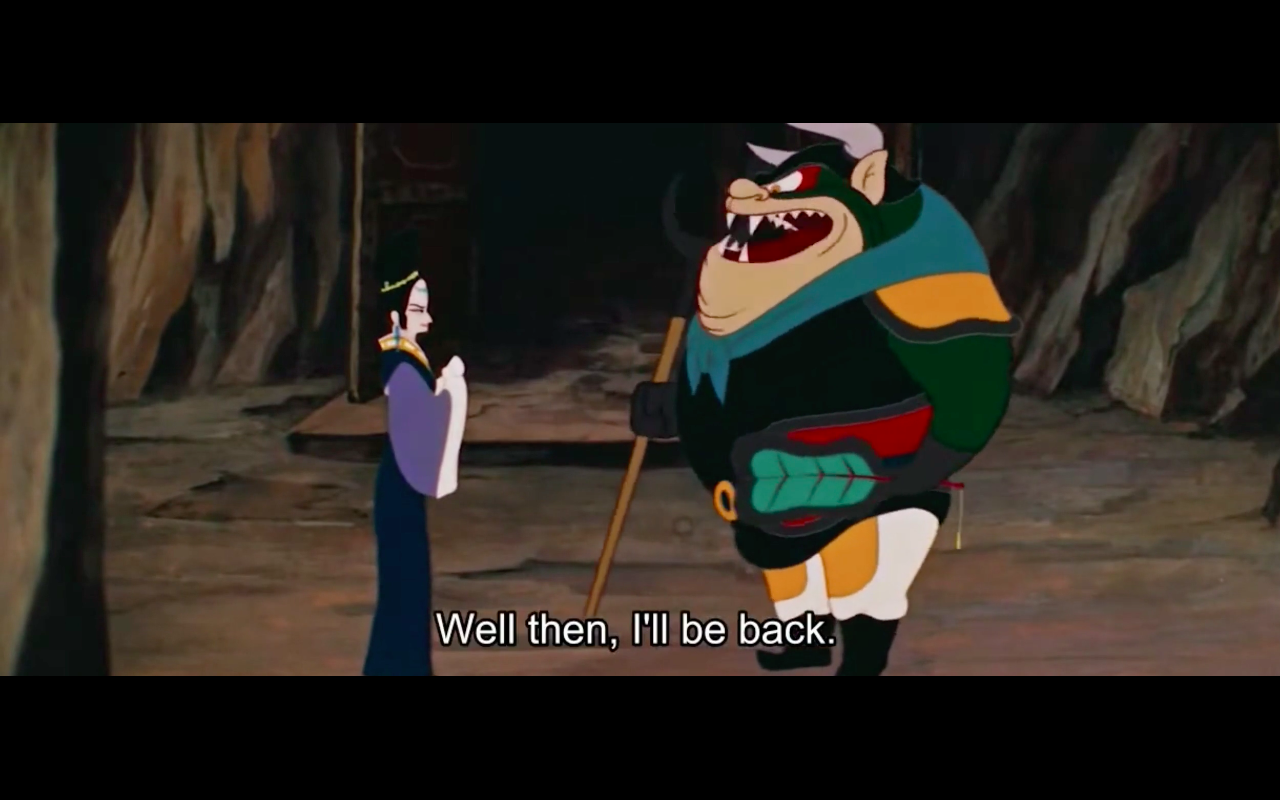
“Later on, I would ask Mr. Miyamoto to create a game that I had designed called “Mario Bros.”. In an animated movie I saw, there was an amusing scene in which a turtle fell on its back and popped out of its shell, and I decided to make a game out of it. And so it became a game about turtles that get all discombobulated when you hit them from below. Aside from turtles, crabs also appear in the game. These are characters that Mr. Miyamoto came up with, and the whole thing feels like something that came out of a fairy tale. Later though, he got famous when he made “Super Mario Bros.”, and so it became popular belief that “Mario” was his handiwork from the beginning. And because a lot of our employees know that I designed the first “Mario Bros.” game, they often say to me: “Why don’t you take credit for it, Mr. Yokoi?”. But I always tell them, “What’s the use in putting my name on something like that?” As far as I’m concerned, if the games I think up are well-received by the users then I’m satisfied, and so as for who made the thing, as long as there are a few people out there who know, then that’s good enough for me.”
What is true is that both men worked very closely together in Donkey Kong and Mario Bros arcades, Miyamoto went on to create Super Mario Bros and he still speaks very fondly of Mr Yokoi, exalting the role that he played as his mentor.
The brief summary never ends…The next game and definitive cornerstone was the Mario brothers fantasy adventure game inspired by the side scrolling and more colorful world of Pac-Land (before this, most games had a black screen as the background since it was less tiring on the eyes). It was meant to be the culmination of the previous game’s elements. With the Super Mario Bros title, what started back in Donkey Kong, where the goal of scoring points was slowly being pushed to the sidelines in terms of relevance, was practically finished; the new goal is just finishing the game and its story, the score points remained there as a staple of a bygone era but, for most players, the fun was now found in finishing the game and rescuing the princess. Super Mario Bros expanded on the idea of plumbers battling turtles by making them come to a magical kingdom to rescue a princess from a dragon in typical chivalry romance fashion, combating the king of said turtles, a dragon-turtle.
Like many other elements, pretty much everything serves a functional design principle rather than an aesthetic desire. The mushroom theme appears due to Miyamoto wanting Mario to grow and become powerful so he selected a mushroom as one of the old tropes of fantasy objects endowed with magic, Alice in Wonderland style (probably because some mushroom actually take you to psychedelic fantasy lands in your mind and affect your perception of the sizes of things).


From there we get Toads, goombas and the location of the Mushroom Kingdom. Another example, Koopa Paratroopas, were born out of wanting enemies with a flying pattern but since there was no memory left, you just put wings on a turtle and call it a day. The idea was for Mario to conquer grass, underground, water, air and fire. Everything else at the service of gameplay and not story. The success of this game spanned the proper series and world of Mario right to the image seen on the visualization; an evolution process that does not come from a mind sitting down to think—or rather consume said mushrooms—but of the constraints of game design and technology. Mario is the most pure product of gaming. Nevertheless, the idea of him being a mascot still remains to this day by making him appear in multiple games and roles over the years. He is perhaps the most famous mascot character, having achieved success both in the the Western and Eastern world; it was created by Japanese men trying to make a dent in the West after all.
Well so much for music in this entry. As always we end up going overboard exploring the origin of stuff so the music side of things will come in the next post. Stay tuned.

Help to keep the rites going around here by supporting the shrine:

Media Files, requests and support for more interactive content

Thou shall donate since this is a cult and you are now a sheep

Help staying awake analyzing game tracks and writing posts or else everything will end up being written by A.I
Another way to support the greediness of the shrine and allow me to save for the upcoming Nintendo Switch 2 is to click these links to purchase recommended stuff for further reading (seriously, these books are actually very good if you find interesting all things related to video game history or music. I only make personal recommendations ). And you will not get any extra charges:
- Game Over: How Nintendo Conquered The World
- Power-Up: How Japanese Video Games Gave the World an Extra Life
- Maestro Mario: How Nintendo Transformed Video Game Music Into an Art
- The Music of Nobuo Uematsu in the Final Fantasy Series
- Koji Kondo’s Super Mario Bros. Soundtrack
- The Legend of Zelda: Ocarina of Time: A Game Music Companion
- Inside The Score – The Legend of Zeda: A Link to the Past – End Credits / Staff Roll
 The land rests As the last few minutes of this extensive journey that has now come to an end fly by, the nostalgia and reflective mood kicks in. Because such a massive enterprise as a Zelda game or a Lord of the Rings movie require multiple endings to convey everything… Read More »Inside The Score – The Legend of Zeda: A Link to the Past – End Credits / Staff Roll
 - Inside The Score – The Legend of Zelda: A Link to the Past – Ending / Epilogue ~ Beautiful HyruleFinal of the fantasy The Triforce has been touched. A wish has been granted. For the occasion, the newly undeceased king of Hyrule has commissioned a march in honor of the legendary hero to the Hylian Sousa, who might as well be composer Nobuo Uematsu since this piece is very… Read More »Inside The Score – The Legend of Zelda: A Link to the Past – Ending / Epilogue ~ Beautiful Hyrule
- Inside The Score – The Legend of Zelda: A Link to the Past – Triforce Chamber / Power of the GodsTake your boots off your feet And thus the Triforce spoke to men. And it became present in history. And you better treasure and contemplate this moment seldom witnessed in the course of the series. The elusive opportunity to interact and touch the most important artifact. You are now in… Read More »Inside The Score – The Legend of Zelda: A Link to the Past – Triforce Chamber / Power of the Gods
- Inside The Score – The Legend of Zelda: A Link to the Past – Ganon Battle / Prince of DarknessProgressive evil En Garde! And you better be prepared since you are about to duel the iconic enemy of the series at perhaps his canonically most powerful incarnation. Right after having touched the sacred Triforce which allowed him to conquer all of the Golden Land and whose evil and darkness… Read More »Inside The Score – The Legend of Zelda: A Link to the Past – Ganon Battle / Prince of Darkness
- Inside The Score – The Legend of Zelda: A Link to the Past – Boss Battle / Anger of the GuardiansQuick mayhem Ah, the simpler times when boss battles where not a multi epic orchestral suite but just an ostinato more basic that even what became the music for standard battle encounters out there. We are a long way from each boss having his own personalized track. And this early… Read More »Inside The Score – The Legend of Zelda: A Link to the Past – Boss Battle / Anger of the Guardians
- Inside The Score – The Legend of Zelda: A Link to the Past – Dark World Dungeon / Dungeon of ShadowsMemento mori We are getting closer to Ganondorf (or at least the wizard Agahnim who ultimately fulfills the same human side of evil role in this game) and that means getting closer to the profiles and motifs of his own theme song (which naturally was the theme of Agahnim at… Read More »Inside The Score – The Legend of Zelda: A Link to the Past – Dark World Dungeon / Dungeon of Shadows
Pingback: Inside The Score - Donkey Kong - Video Game Music Shrine
Pingback: Inside The Score - Super Mario 64 - Bowser's Theme / Koopa's Theme - Video Game Music Shrine