Relentless uncomfortable dissonance
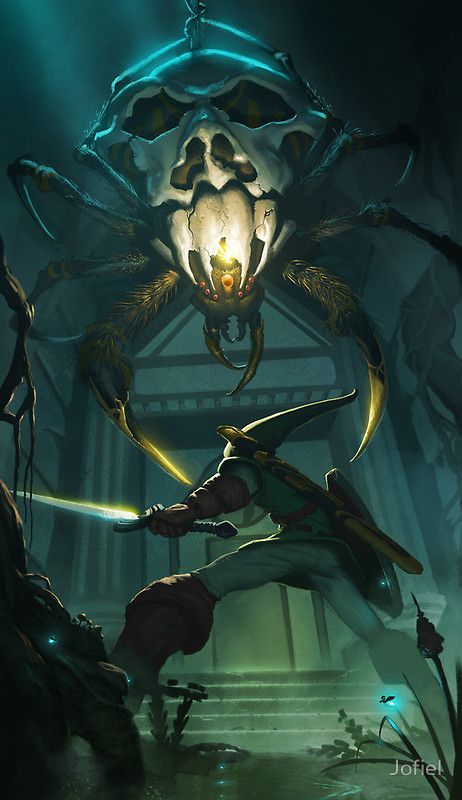
This is not only an adventure game, this is an action-adventure game, and as such, our hero Link has to deal with not so peaceful moments throughout his travels. The result is a sense of danger and impending doom whenever a critter gets too close. It seems the game does not want you to feel heroic slashing creatures but rather constantly on your toes. To accomplish this it deploys a brooding cue as its battle theme full of dissonant intervals that communicate dread and inconsistent rhythm in the melody. The only constant will be the classic military snare that means war.
The most blatant use of dynamic music in the game, the transition into Battle music from any other cue depending on how close you get to an enemy will be noticed by any player immediately, learning to be alert or to run for their life. It is both a gameplay cue but also a scoring cue that captures the scene of encountering a monster. This was the first time the series used this device for minor enemies.
The game has various battle cues in order of increasing threat. This one means minor threat, just slightly uncomfortable for the might of the Hero of Time; exciting battle is not in the DNA of this track just a sense of alertness. The only exception when this piece is not used for standard enemies is when the player is in the overworld, which has its own custom battle music as we will see.
Musical Analysis
Structure: Section 1 / Section 2
Time Signature: 4/4
Tempo: 100
Melodic and Harmonic Profiles: B Octatonic
The now standard battle music for combat with the common monsters that attack the hero in a video game. This means a change in the direction of the music. For battles we will see how Kondo tends to lean more on the percussion, both as driving the track and augmenting the track. This cue is more subdued, representing the little danger that the easy enemies bring. The track is supported by the militaristic snare and the accents of the pizzicato strings. Both the high and low strings add more upper notes progressively throughout the length of the track to increase the tension with diminished chords (naturally, since the more time you spend with an enemy, the more you should be worried). The tuba gets the melody in a middle register and plays an improvisation run throughout the diminished scale (a scale that has a pattern alternating a half step with a whole step), perfect for uneasiness due to its dissonant intervals, specially the focus on the tritone or diminished fifth and the minor second, pretty much the two most dissonant intervals. The entire track is on the lower spectrum of the soundscape. As a fun fact, the volume of the track depends on the distance of the enemy to Link so it is even more dynamic than initially thought and it is like an aural radar.
In fact, the melody, which enters rather late since it is implied that depending on the trouble that an enemy is giving you, you will get more of the action in the music as opposed to the mostly suspense based intro, actually begins focusing exclusively on tritone and minor second intervals, right out of the gate emphasizing dissonance. It then improvises through the diminished scale. While the strings keep adding diminished notes to the Bdim chord, the bassoon plays a relentless ostinato focusing on minor seconds. Ostinatos and battle music go together in the soundtrack lexicon. The pizzicatos play in an oft-kilter rhythm where the accents fall mostly on the downbeat with an unexpected upbeat later to create a sense of dislocation, as if, you cannot quite predict when the accent will come, just like the strike on a battle; sometimes it comes from above, sometimes from below like the accents. They also come progressively with more frequency. Though the spacing of the accents retains that internal irregularity, it repeats unchanged throughout the loop. As said, the musical and rhythmic devices serve the function of alarming and alerting the player.
Kondo is not reinventing the wheel here other than perhaps not resorting to more exciting and heroic music. He uses the traditional film language of employing dissonance to imply danger. There is minimal movement in the accompaniment in order to retain suspense and you will probably not get particularly tired of that since most of the times the cue ends quickly (except for those pesky wolves sometimes).
We have come a long way in terms of battle music since the original The Legend of Zelda on the NES where nobody, not even Ganon had battle themes. Another aspect brand new to Ocarina of Time and that will enrich its world profoundly is having unique tracks for each and every dungeon. The first ones are the organic dungeons. Time to explore what the insides of the guardian deities of Hyrule sound like.

Help to keep the rites going around here by supporting the shrine:

Media Files, requests and support for more interactive content

Thou shall donate since this is a cult and you are now a sheep

Help staying awake analyzing game tracks and writing posts or else everything will end up being written by A.I
- Inside The Score – The Legend of Zeda: A Link to the Past – End Credits / Staff Roll
 The land rests As the last few minutes of this extensive journey that has now come to an end fly by, the nostalgia and reflective mood kicks in. Because such a massive enterprise as a Zelda game or a Lord of the Rings movie require multiple endings to convey everything… Read More »Inside The Score – The Legend of Zeda: A Link to the Past – End Credits / Staff Roll
 - Inside The Score – The Legend of Zelda: A Link to the Past – Ending / Epilogue ~ Beautiful HyruleFinal of the fantasy The Triforce has been touched. A wish has been granted. For the occasion, the newly undeceased king of Hyrule has commissioned a march in honor of the legendary hero to the Hylian Sousa, who might as well be composer Nobuo Uematsu since this piece is very… Read More »Inside The Score – The Legend of Zelda: A Link to the Past – Ending / Epilogue ~ Beautiful Hyrule
- Inside The Score – The Legend of Zelda: A Link to the Past – Triforce Chamber / Power of the GodsTake your boots off your feet And thus the Triforce spoke to men. And it became present in history. And you better treasure and contemplate this moment seldom witnessed in the course of the series. The elusive opportunity to interact and touch the most important artifact. You are now in… Read More »Inside The Score – The Legend of Zelda: A Link to the Past – Triforce Chamber / Power of the Gods
- Inside The Score – The Legend of Zelda: A Link to the Past – Ganon Battle / Prince of DarknessProgressive evil En Garde! And you better be prepared since you are about to duel the iconic enemy of the series at perhaps his canonically most powerful incarnation. Right after having touched the sacred Triforce which allowed him to conquer all of the Golden Land and whose evil and darkness… Read More »Inside The Score – The Legend of Zelda: A Link to the Past – Ganon Battle / Prince of Darkness
- Inside The Score – The Legend of Zelda: A Link to the Past – Boss Battle / Anger of the GuardiansQuick mayhem Ah, the simpler times when boss battles where not a multi epic orchestral suite but just an ostinato more basic that even what became the music for standard battle encounters out there. We are a long way from each boss having his own personalized track. And this early… Read More »Inside The Score – The Legend of Zelda: A Link to the Past – Boss Battle / Anger of the Guardians
- Inside The Score – The Legend of Zelda: A Link to the Past – Dark World Dungeon / Dungeon of ShadowsMemento mori We are getting closer to Ganondorf (or at least the wizard Agahnim who ultimately fulfills the same human side of evil role in this game) and that means getting closer to the profiles and motifs of his own theme song (which naturally was the theme of Agahnim at… Read More »Inside The Score – The Legend of Zelda: A Link to the Past – Dark World Dungeon / Dungeon of Shadows